Electricity is one of those things people don’t think about until it stops working. You flip a switch, plug in a device, or charge your phone, and everything just works-until it doesn’t. When the power goes out, everything comes to a halt. Businesses shut down, factories stop producing, and even basic things like traffic lights stop working.
Reliable power isn’t just about keeping the lights on. It’s what keeps hospitals running, factories producing, and businesses operating smoothly. So, what does it actually take to keep power flowing, and why does it matter so much?
How Power Gets to Where It’s Needed
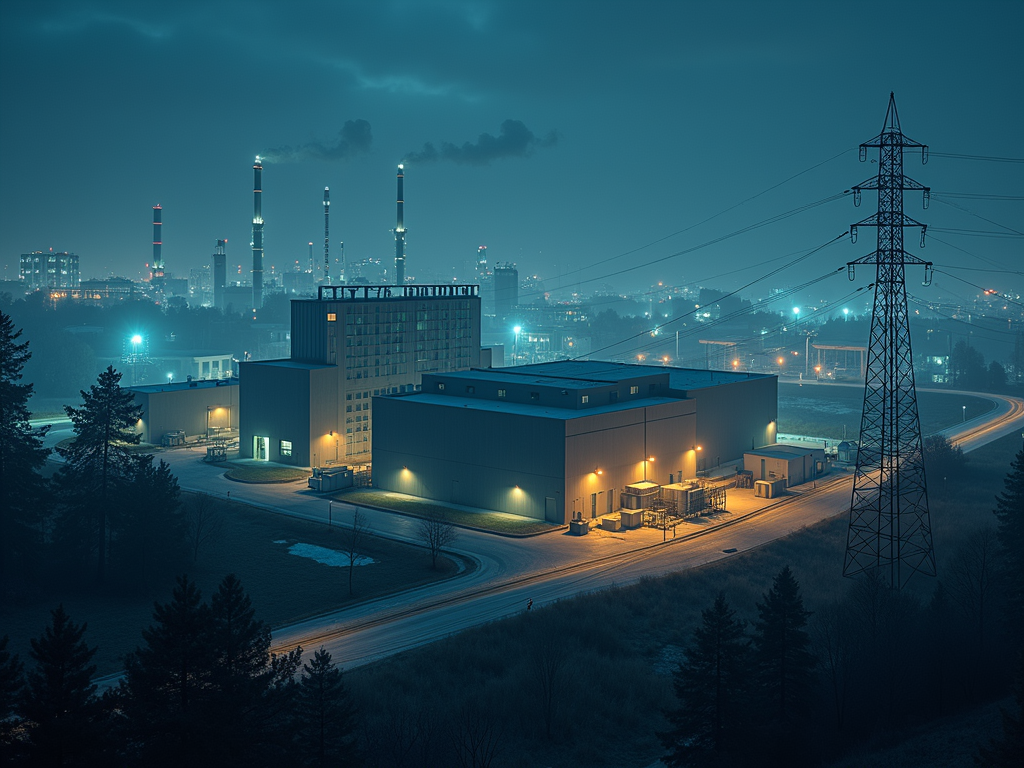
Most people get electricity from the power grid. It starts at power plants, travels through high-voltage lines, and gets distributed to homes and businesses. But the grid isn’t just a bunch of wires-it’s a complex system that constantly adjusts to keep up with demand.
For places like factories, office buildings, and large businesses, things get even more complicated. They need more power, and they can’t afford sudden outages. That’s why their electrical systems have extra layers of protection, like backup generators, voltage regulators, and smart automation to prevent failures.
These backup generators, for instance, can be necessary to maintain continuous power supply, especially during grid failures or maintenance periods. For this reason, like any other equipment, it can be important to conduct generator repair and timely maintenance to ensure they can function properly when needed. Regular inspections and swift repairs can prevent breakdowns, and ensure that these facilities can remain operational.
What Happens When Power Fails?
When power goes out at home, it’s annoying. Your Wi-Fi stops working, and you have to find a flashlight. But for businesses and industries, a power failure can be a disaster.
- Factories lose production – Machines shut down, delaying work and costing money.
- Hospitals risk patient safety – Life-saving equipment depends on constant power.
- Businesses lose data – Computers and servers crash, sometimes causing permanent data loss.
- Transportation stops – Traffic lights, trains, and even airports depend on power.
That’s why large companies invest so much in electrical maintenance and backup systems. A well-maintained system can prevent most problems before they happen.
The Role of Automation in Reliable Power
A lot of big facilities don’t just rely on human workers to manage their power systems. They use automation to monitor electrical use, detect problems, and even fix small issues before they cause major failures.
For example:
- Smart sensors can detect when a machine is using too much power and adjust it automatically.
- Backup generators can switch on instantly if the main power supply fails.
- Automated controls can shut down certain systems safely to prevent overloading.
An experienced industrial automation electrician is responsible for setting up and maintaining these systems so everything runs as smoothly as possible.
Why Businesses Are Upgrading Their Electrical Systems
Technology is always improving, and older electrical systems can’t always keep up. Many businesses are upgrading their power systems to be more efficient and reliable.
Some of the biggest reasons for upgrades include:
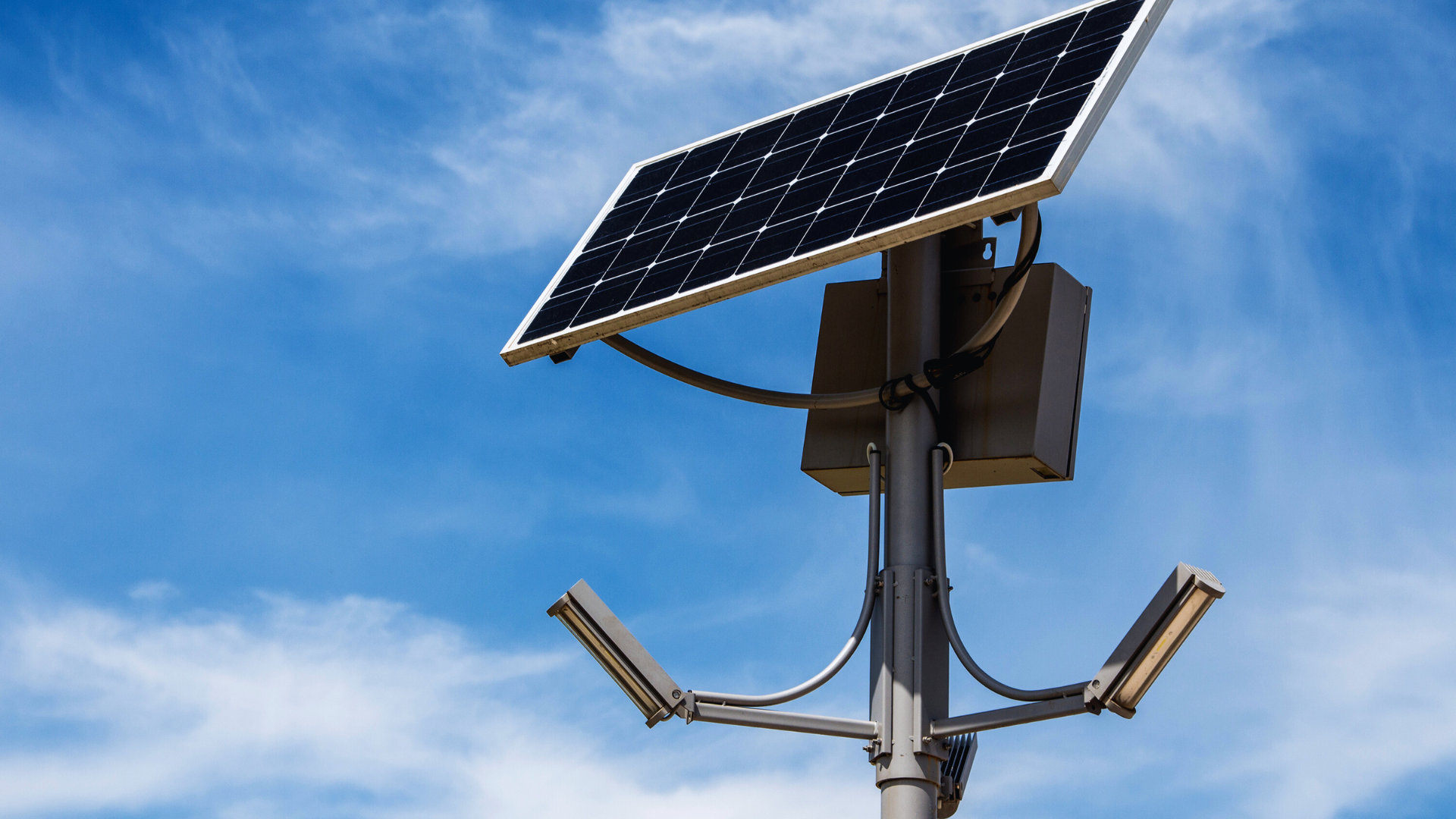
Increased energy demand – More equipment and automation mean higher electricity use.Rising electricity costs – Smarter systems help save power and reduce waste.Stronger safety regulations – Many industries are required to meet stricter electrical safety standards.The push for renewable energy – Companies are looking for ways to use solar and battery storage to reduce their reliance on the grid.
Keeping up with these changes isn’t always easy, which is why many businesses turn to an industrial automation electrician to help design, install, and maintain systems that can handle modern demands. Whether it’s setting up smart controls, improving energy efficiency, or making sure power flows without interruptions, having the right electrical setup is key to keeping operations running smoothly.
How Power Systems Are Changing for the Future
Electricity isn’t just about plugging things in anymore. New technology is making power systems smarter, safer, and more efficient.
Here are some of the biggest trends:
- Better energy storage – Batteries are improving, making it easier to store power and use it when needed.
- More automation – Machines and smart systems can manage power better than ever before.
- Stronger backup solutions – Businesses are installing advanced generators and secondary power sources to prevent outages.
- Renewable energy integration – More companies are adding solar panels and wind power to their electrical systems.
These improvements mean fewer outages, lower costs, and a more reliable power supply for everyone.
Final Thoughts
Power is one of those things people don’t think about until it’s gone. But keeping electricity flowing smoothly takes a lot of work, planning, and the right technology. Businesses and industries depend on reliable power to keep things running, and without it, everything from hospitals to factories could come to a stop.
That’s why upgrading electrical systems, using automation, and having backup power sources is so important. As technology continues to improve, the way we manage electricity will only get better-making sure the power stays on when we need it most.