Choosing the right camera for everyday photography can seem overwhelming with the variety of options available. The best camera for everyday use typically combines ease of use, portability, and quality images, making it ideal for capturing spontaneous moments. Whether someone is a beginner or has some experience, understanding what features matter most will greatly simplify the decision-making process.
When selecting a camera, factors such as size, lens versatility, and connectivity options play a crucial role. Lightweight models with built-in stabilization and good low-light performance enable photographers to capture clear images in various environments. Familiarity with different types, like compact cameras, mirrorless systems, and DSLRs, also helps narrow down the choices.
Ultimately, individuals should consider their specific needs and photography style. Those who value convenience may lean towards a compact camera, while enthusiasts might prefer the capabilities of a mirrorless or DSLR model. By assessing these elements, anyone can find a camera that fits their everyday photography needs.
Understanding Your Everyday Photography Needs
When selecting a camera for everyday photography, it’s essential to evaluate individual preferences and practical requirements. Key factors include preferred photography styles, portability and convenience, as well as budget considerations.
Evaluating Your Preferred Photography Styles
Different photography styles require specific camera features. For example, street photography prioritizes a lightweight and discreet camera for quick shots. Wildlife photography often needs robust zoom capabilities and fast autofocus to capture distant subjects without disturbance.
It’s important for an individual to define what scenarios they will encounter most frequently. A versatile camera that can excel in various settings might be best for those pursuing multiple styles, while a specialized device may serve niche photographers better.
Assessing Portability and Convenience Factors
Portability is a crucial aspect for everyday photography. A compact camera or mirrorless system offers convenience for those who enjoy spontaneous shots. Carrying a heavier DSLR can become cumbersome during long outings, which can lead to missed opportunities.
Additionally, battery life and ease of use play important roles. Photographers should consider how user-friendly the controls are and whether the camera’s size fits comfortably in their daily routine. A camera that integrates easily with mobile devices for quick sharing can enhance the overall experience as well.
Budget Considerations and Value for Money
Budget significantly influences the camera selection process. It’s essential to identify a price range that balances features with personal financial limits. High-end models may deliver superior image quality but might not be practical for everyone.
Many cameras offer great value without breaking the bank. Factors such as warranty, brand reputation, and included accessories are worth assessing to ensure the investment meets long-term needs. Also, used or refurbished models can provide budget-friendly options without sacrificing quality.
Camera Types and Key Differences
Understanding the different types of cameras is essential for selecting the best option for everyday photography. Each type has unique features and advantages that cater to different needs and preferences.
Mirrorless vs DSLRs: Pros and Cons
Mirrorless cameras offer several advantages, including a compact design and lighter weight. They have faster autofocus systems and typically provide better video capabilities. Additionally, the electronic viewfinders allow for real-time exposure feedback.
DSLRs, on the other hand, have a proven track record of durability and battery life. They often excel in traditional photography settings with optical viewfinders that provide a clear, lag-free view. DSLRs may have a wider selection of lenses available, which can be appealing for enthusiasts.
Both types have their pros and cons. Price points vary, with mirrorless options often being more expensive due to newer technology.
Compact and Action Cameras for Everyday Use
Compact cameras are designed for convenience and portability. These cameras are user-friendly, making them great choices for casual photographers who prioritize ease of use. Their lightweight nature means they can be taken anywhere.
Action cameras, such as those from GoPro, are robust and built to withstand tough conditions, making them ideal for outdoor adventures. They offer good image quality and are often waterproof, making them versatile for various shooting conditions.
Both compact and action cameras may lack the advanced features found in DSLRs and mirrorless cameras. Still, they provide excellent options for everyday use and spontaneous moments.
Overview of Medium Format and Full-Frame Options
Medium format cameras deliver superior image quality and detail. They use larger sensors compared to standard cameras, resulting in better dynamic range and color accuracy. These cameras are often favored by professional photographers for portrait and landscape photography.
Full-frame cameras are considered a good balance between quality and functionality. They offer many features found in high-end cameras but are typically more affordable than medium-format options. Full-frame sensors allow for better low-light performance and wider dynamic range.
Both types serve different needs. Medium format cameras excel in specialized scenarios, while full-frame options cater to a broader audience, providing high-quality results without the extreme costs associated with medium format.
Essential Camera Features for Daily Photography
When selecting a camera for everyday photography, various key features must be considered. Sensor size, autofocus capabilities, image stabilization, and battery life are critical elements that influence performance and usability. Each feature can significantly impact the quality of photographs taken in different environments.
Sensor Size and Resolution: APS-C, Micro Four Thirds, and Full-Frame
Sensor size plays a vital role in image quality. APS-C sensors are common in consumer cameras, offering a good balance between size and performance. They provide a crop factor of approximately 1.5x, which enhances the effective focal length of lenses.
Micro Four Thirds sensors are smaller, yielding a crop factor of 2x. They are lightweight and portable but may have limitations in low-light conditions. The full-frame sensor, at a size of 36×24 mm, captures more light, resulting in improved dynamic range and lower noise levels at high ISO settings.
Resolution, measured in megapixels, determines how much detail can be captured. For everyday photography, a sensor with 16-24 megapixels is usually adequate. Higher megapixels can benefit specific situations, such as cropping images for composition.
Autofocus Capabilities and Shooting Speed
Autofocus systems are crucial for capturing sharp images, especially with moving subjects. Advanced autofocus features, such as phase-detection and contrast-detection, provide quick and accurate focusing. Cameras with a high number of autofocus points can track subjects better, improving the odds of getting that perfect shot.
Continuous shooting speeds are important for action photography. Cameras capable of burst shooting allow users to take multiple frames per second. This is essential for events like sports, where timing is everything. Look for cameras with shooting speeds of at least 5-10 frames per second for optimal performance.
Image Stabilization and Low-Light Performance
Image stabilization minimizes the effects of camera shake, particularly at slower shutter speeds. In-body image stabilization (IBIS) is a desirable feature as it adjusts for movement in multiple directions. This can be particularly useful in low-light situations.
Low-light performance is closely tied to sensor size and design. Cameras with larger sensors typically handle low-light conditions better, producing clearer images with less noise. A good dynamic range allows for better detail retention in highlights and shadows, making it easier to achieve well-exposed photographs.
Battery Life and Handling Ergonomics
Battery life can significantly affect shooting sessions. Cameras with efficient power management or larger batteries can provide longer usage times, which is essential for daily photography. Users should seek cameras that offer at least 300-400 shots per charge.
Handling ergonomics includes factors like grip design and button layout. A comfortable grip and intuitive controls enhance usability, especially during long shooting sessions. Cameras that feel good in the hand will allow for better focus on capturing moments rather than struggling with equipment.
Choosing the Right System, Lenses, and Noteworthy Models
Selecting the appropriate camera system and lenses is crucial for everyday photography. The choice becomes easier with an understanding of mount compatibility, lens options, and premier camera models. Each decision impacts not only image quality but also the overall shooting experience.
Camera Systems and Lens Mount Compatibility
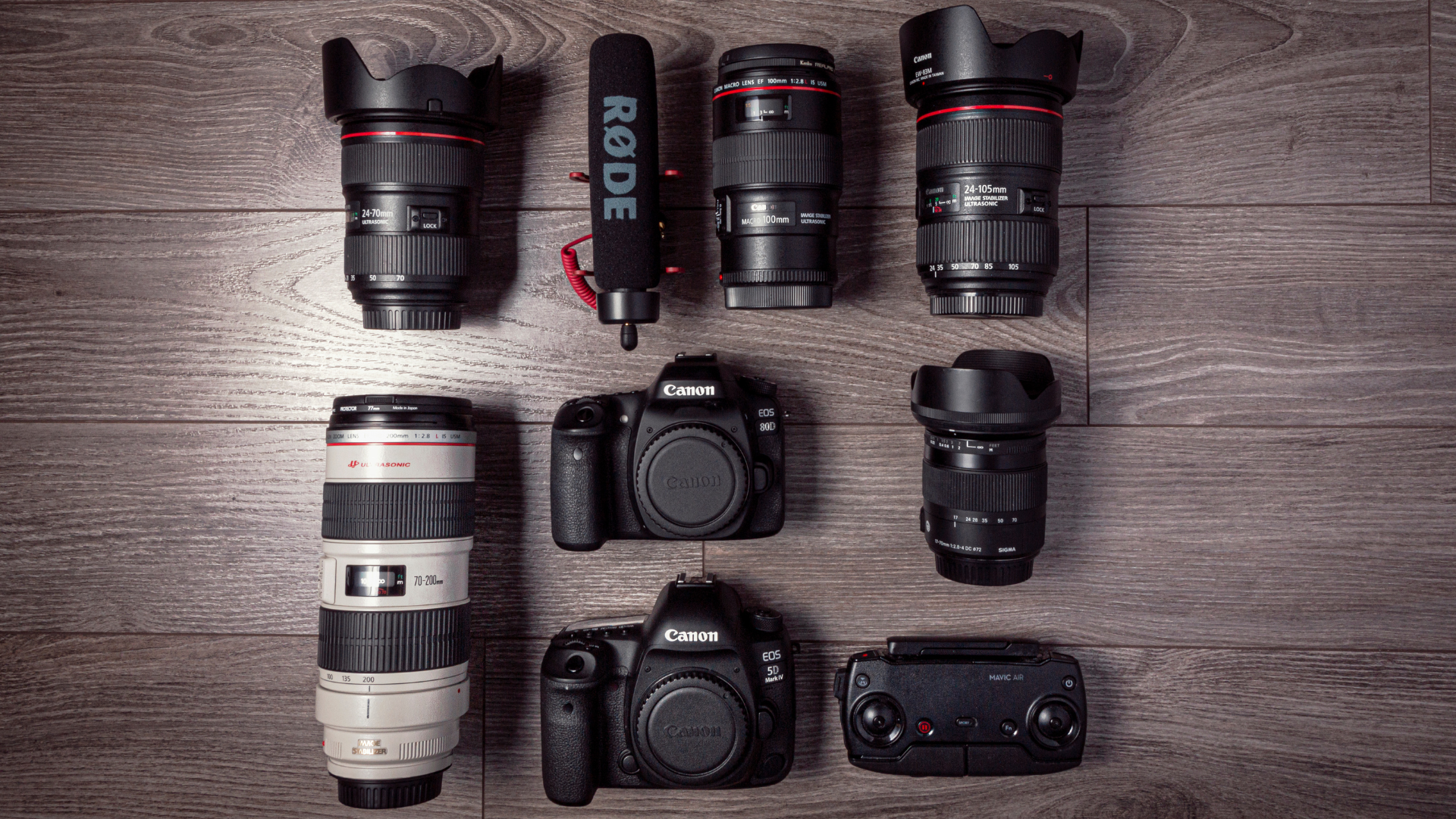
Camera systems vary significantly in terms of lens mount compatibility. Major brands like Canon, Nikon, Sony, and Fujifilm have distinct mounts that affect which lenses can be used without adapters. For instance, Canon’s RF mount is utilized in its mirrorless line, while the Canon EF mount is for DSLRs.
When considering a system, versatility is key. Some systems, like Nikon’s Z-series, offer a wide range of lenses, including the Nikon Z50 and the flagship Nikon Z9. Others, like the Fujifilm X-mount, provide unique film simulation modes that enhance creative options. Ensuring lens compatibility with the desired camera body should be a primary consideration when making a choice.
Interchangeable Lenses vs Fixed-Lens Cameras
The decision between interchangeable lenses and fixed-lens cameras is vital for everyday use. Interchangeable lens systems, such as the Fujifilm X-T5 or Olympus OM-D E-M10 Mark IV, offer flexibility to switch lenses based on shooting needs. This can improve performance in various scenarios, from capturing 4K video to engaging in stills photography.
Fixed-lens cameras like the Fujifilm X100V and its successor, the X100VI, excel in portability and simplicity. They often feature fast primes and exceptional quality, making them ideal for rapid shooting situations. Each option comes with pros and cons, so it’s essential to evaluate personal photographic style before making a decision.
Noteworthy Camera Models for Everyday Use
Several models stand out for everyday photography, catering to different preferences and budgets. The Sony A6000 series provides a balance of performance and price, while the Canon EOS R6 Mark II serves as a powerhouse for both stills and video quality.
For those seeking advanced features, the Nikon Z8 is noteworthy, boasting sophisticated autofocus systems and excellent handling. The Canon EOS R10 is suitable for beginners, offering intuitive controls and robust performance. Each model addresses specific needs, enabling photographers to choose based on their requirements for both technical specs and usability.