
As smartphone technology continues to evolve, the gap between amateur devices and professional photography gear is narrowing rapidly. Recent advancements in smartphone cameras now allow users to capture high-quality images that rival those taken with traditional cameras, thanks to features like advanced sensors, computational photography, and enhanced lens technology. This democratization of photography empowers everyday users to express their creativity without the need for expensive equipment.
In today’s digital landscape, the convenience of a smartphone camera comes with impressive capabilities, such as low-light performance and portrait modes that produce striking results. Photographers are increasingly turning to their smartphones not just for casual snapshots but for professional-quality work as well. This trend raises exciting questions about the future of visual storytelling and the role of technology in shaping artistic expression.
With manufacturers constantly innovating and improving camera features, it’s clear that the future of photography is more accessible than ever. Users can expect to see continual enhancements that blur the lines between smartphones and high-end cameras. Staying informed about these developments can help both aspiring photographers and seasoned pros maximize their potential in this evolving landscape.
How Smartphone Cameras Rival Professional Gear
Smartphone cameras increasingly incorporate advanced technology, narrowing the gap between consumer devices and professional gear. Innovations in computational photography, artificial intelligence, and manual controls enhance the capabilities of these cameras for various shooting conditions.
Advancements in Computational Photography
Computational photography utilizes algorithms to improve image quality and create effects unattainable with traditional optics. Smartphones leverage techniques such as HDR (High Dynamic Range), which combines multiple exposures to maximize details in both shadows and highlights.
Night mode enables photography in low-light environments, utilizing longer exposures while minimizing blur. Features like portrait mode create depth-of-field effects by simulating bokeh, often found in pro cameras. As a result, smartphone cameras can produce stunning images in diverse situations without requiring extensive photography skills.
Artificial Intelligence and Machine Learning in Imaging
AI and machine learning play pivotal roles in enhancing smartphone photography. These technologies analyze scenes in real-time to optimize settings such as ISO, aperture, and shutter speed. They allow for automatic adjustments, leading to improved image quality under varying lighting conditions.
AI-driven features, like scene recognition, help smartphones identify subjects, adjusting camera settings to match the scene’s requirements. Machine learning algorithms also refine image processing, enabling enhancements like noise reduction and sharpening that can rival images captured by professional cameras.
Manual Controls and Creative Freedom
Recent smartphone models have included manual controls, allowing users to adjust settings like ISO, aperture, and shutter speed directly. This feature empowers photographers to exercise full control over their images, mirroring the experience with professional cameras.
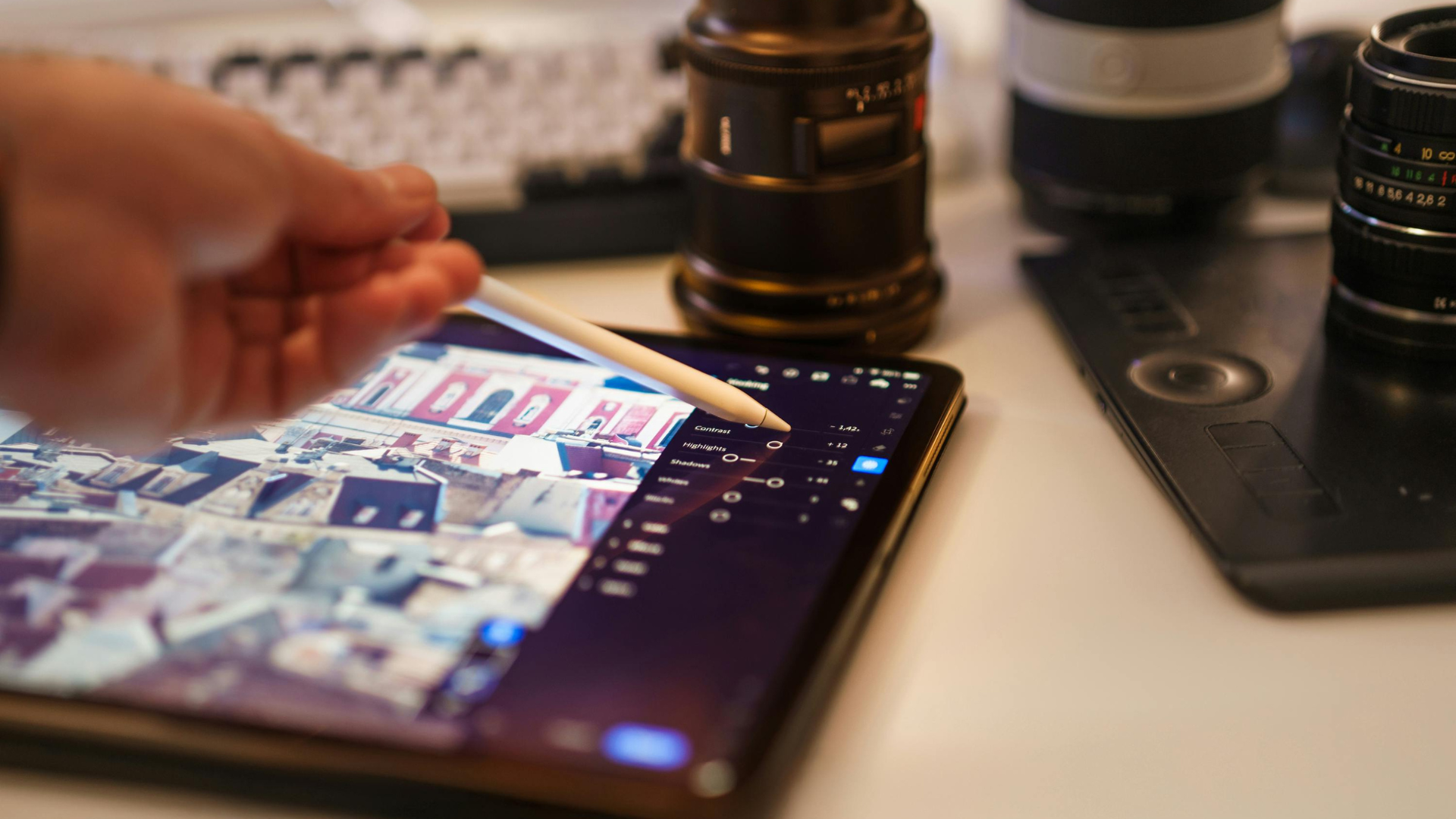
Additionally, various mobile apps provide advanced editing options, further enhancing creative flexibility. With these tools, photographers can manipulate exposure, colors, and effects, providing a platform for artistic expression. By merging manual controls with user-friendly interfaces, smartphone cameras offer both simplicity and professional capabilities.
Key Features Driving Smartphone Camera Innovation
Smartphone manufacturers are continuously enhancing camera technology to compete with professional gear. Key advancements focus on HDR capabilities, video quality improvements, and the integration of accessories that elevate mobile photography.
HDR and Dynamic Range Improvements
High Dynamic Range (HDR) technology has become a pivotal feature in modern smartphone cameras. Devices from brands like Apple and Samsung utilize sophisticated algorithms to capture greater contrast in images.
The latest models can merge multiple exposures to ensure both highlights and shadows are well-defined. This results in photos with impressive detail and accuracy, resembling those taken with professional cameras. The increasing integration of machine learning also helps optimize HDR performance, adapting to various lighting conditions for optimal results.
Enhanced Video Capabilities
Video recording features in smartphones have made remarkable strides, rivaling professional gear. High-resolution options, such as 4K and even 8K recording, are now standard in many flagship devices.
Smartphones also incorporate advanced stabilization techniques to reduce shake, ensuring smoother footage. Features like slow-motion and time-lapse also expand creative possibilities for videographers. This blend of high-quality video options with intuitive interfaces caters to both casual users and seasoned filmmakers alike.
Portability and Accessories for Modern Shooters
The lightweight nature of smartphones allows photographers to be more mobile than ever. Portability does not mean sacrificing quality; compact accessories, such as tripods and external lenses, enhance the capability of smartphone cameras significantly.
Brands have developed a range of attachments that can be easily used with smartphones. These accessories often provide additional features, such as zoom functionality or improved lighting, which enhance the shooting experience. This level of convenience positions smartphones as practical tools for photography on the go.
Impact on Professional Photography and Filmmaking
Smartphone cameras are transforming the landscape of professional photography and filmmaking. Their increasing capabilities are influencing how professionals operate, create, and share their work.
Rising Adoption Among Professionals
Professional photographers and filmmakers are beginning to incorporate smartphone cameras into their workflows. The latest models from Apple and Samsung offer features like advanced image stabilization, multiple lenses, and high-quality sensors.
These capabilities make them viable alternatives to traditional point-and-shoot and compact cameras. Some professionals use smartphones for behind-the-scenes shots or to capture spontaneous moments that may arise during shoots. The integration of apps like Lightroom allows for immediate editing, making smartphones a useful tool for professionals who need to quickly share images with clients.
Integration With Social Media and Editing Tools
The rise of platforms such as Instagram and TikTok has driven photographers and filmmakers to adapt their content creation strategies. Smartphones enable instant sharing of high-quality visuals, allowing artists to engage their audiences in real-time.
Integration with editing tools directly on the device makes on-the-go content creation efficient. This shift encourages a more direct relationship with followers, as professionals can post updates or edits throughout the day. The ability to create and share polished content swiftly enhances visibility and engagement.
Affordability and Accessibility
Smartphone cameras are generally more affordable than traditional professional gear. This accessibility democratizes photography and filmmaking for many aspiring creators.
With high-functioning cameras in the palm of their hands, individuals can experiment without significant financial investment. The result is a broader pool of talent entering the industry. This shift promotes diversity in creative expression and allows new voices to emerge, challenging established norms in photography and filmmaking.
Where Smartphones Fall Short of Pro Cameras
Smartphones boast impressive camera technology, but they still have limitations compared to dedicated professional gear. Key areas where smartphones fall short include sensor capabilities, zoom options, and specialized equipment for varied shooting conditions.
Sensor Size and Optical Limitations
Smartphone cameras generally use smaller sensors than DSLRs or mirrorless cameras. These small sensors face challenges with low light performance and dynamic range. Larger sensors capture more light, offering better detail and color depth in images.
The aperture on smartphones is often fixed or has a limited range compared to professional cameras. This restriction affects the ability to control depth of field and adjust exposure settings like ISO and shutter speed. In professional setups, changing lens types and apertures greatly enhances creative control.
Zoom, Lenses, and Flexibility
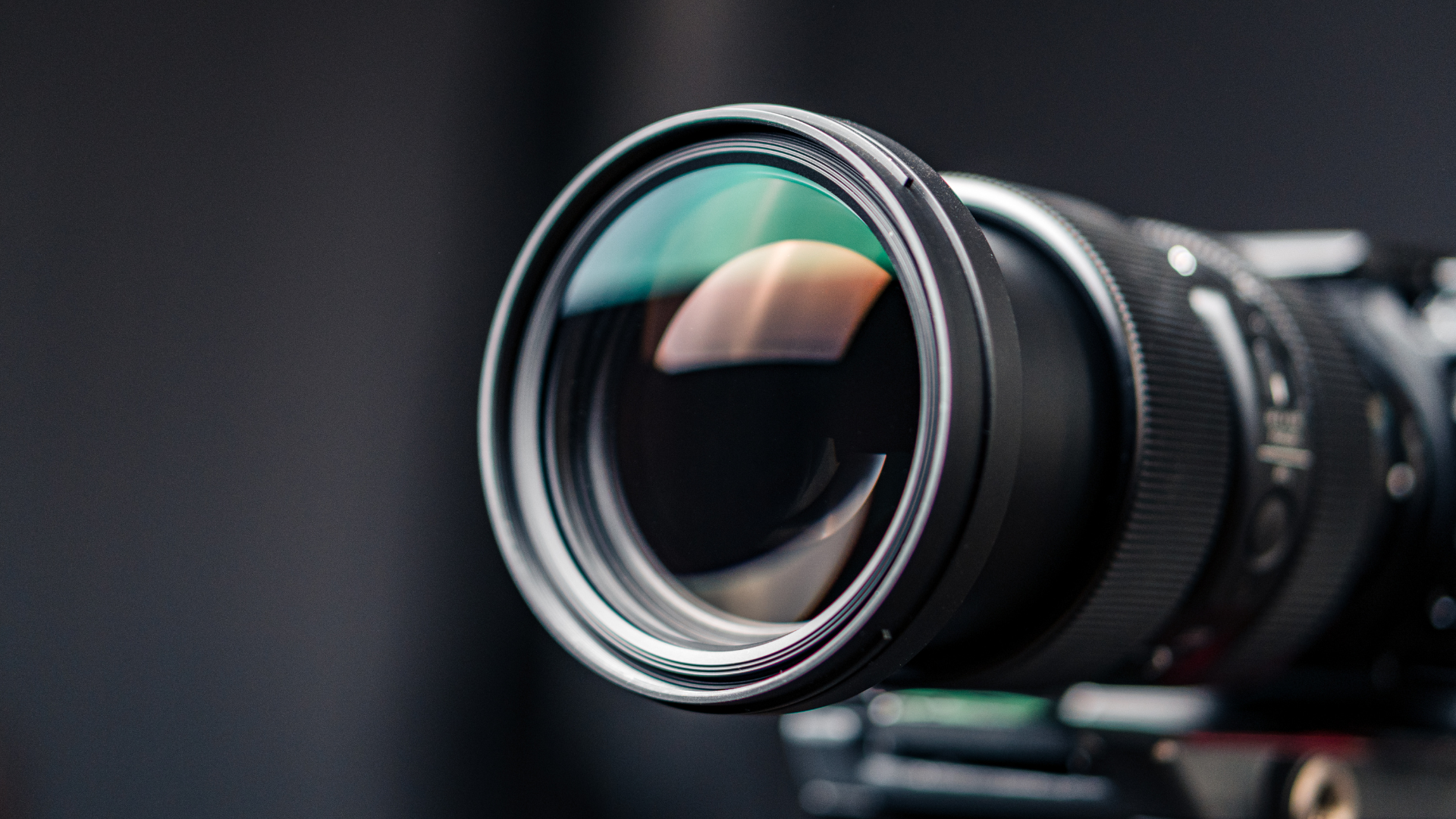
Smartphones typically offer digital zoom, which crops the image, leading to a loss of quality. In contrast, professional cameras use optical zoom with interchangeable lenses. This provides superior versatility and ensures that detailed images are captured at various focal lengths without compromising quality.
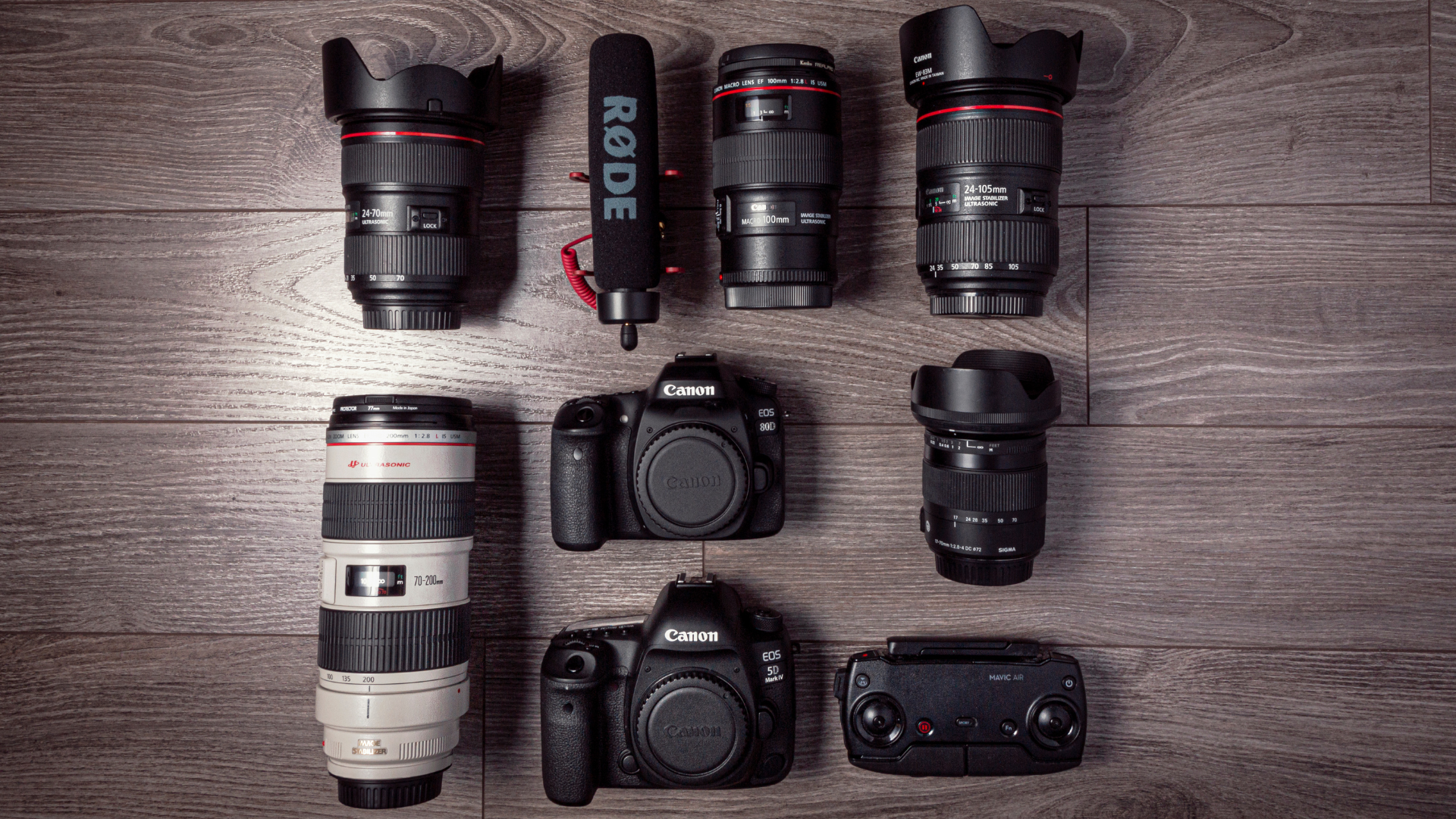
Dedicated cameras allow for the use of different lenses suited for specific situations, such as wide-angle, macro, or telephoto shots. This versatility is critical for photographers who need flexibility in their work. Smartphones often have a few limited lens options, which restricts user creativity.
Specialized Uses and Dedicated Equipment
Professional photography often requires specialized equipment, such as gimbals, tripods, and external flashes. These tools enable more complex techniques and better stabilization during shooting. While smartphones can mimic some of these features, they lack the breadth of capabilities found in dedicated camera gear.
Certain fields, like wildlife or sports photography, often necessitate fast autofocus and high burst rates offered by professional cameras. These capabilities are critical for capturing fleeting moments, which can be challenging with smartphone limitations. Specialized tools and dedicated equipment are essential for achieving high-quality results in these scenarios.