Smart appliances are becoming a staple in modern homes, offering convenience and efficiency in daily life. They integrate technology to simplify tasks, allowing users to manage household chores from their smartphones or through voice commands. While these devices provide numerous benefits like energy savings and enhanced functionality, they also come with drawbacks such as high costs and potential privacy concerns.
The ease of use that smart appliances offer is appealing. They can automate repetitive tasks, help monitor home energy usage, and even provide alerts for maintenance needs. Yet, this technology is not without its challenges. Users may experience issues like connectivity problems and the need for frequent updates, which can detract from the benefits.
Considering the balance between convenience and potential risks is crucial. Smart appliances can transform daily living, but the decision to adopt them should be based on an understanding of both their advantages and disadvantages.
Understanding Smart Appliances in Daily Life
Smart appliances play a crucial role in modern home environments, enhancing convenience and efficiency. Their integration with smart home technology and the Internet of Things (IoT) transforms daily routines and lifestyle management.
Defining Smart Appliances
Smart appliances are devices that connect to a home network and can be remotely controlled or monitored. Examples include smart refrigerators, ovens, and washing machines. These appliances utilize sensors and software to enhance functionality and user experience.
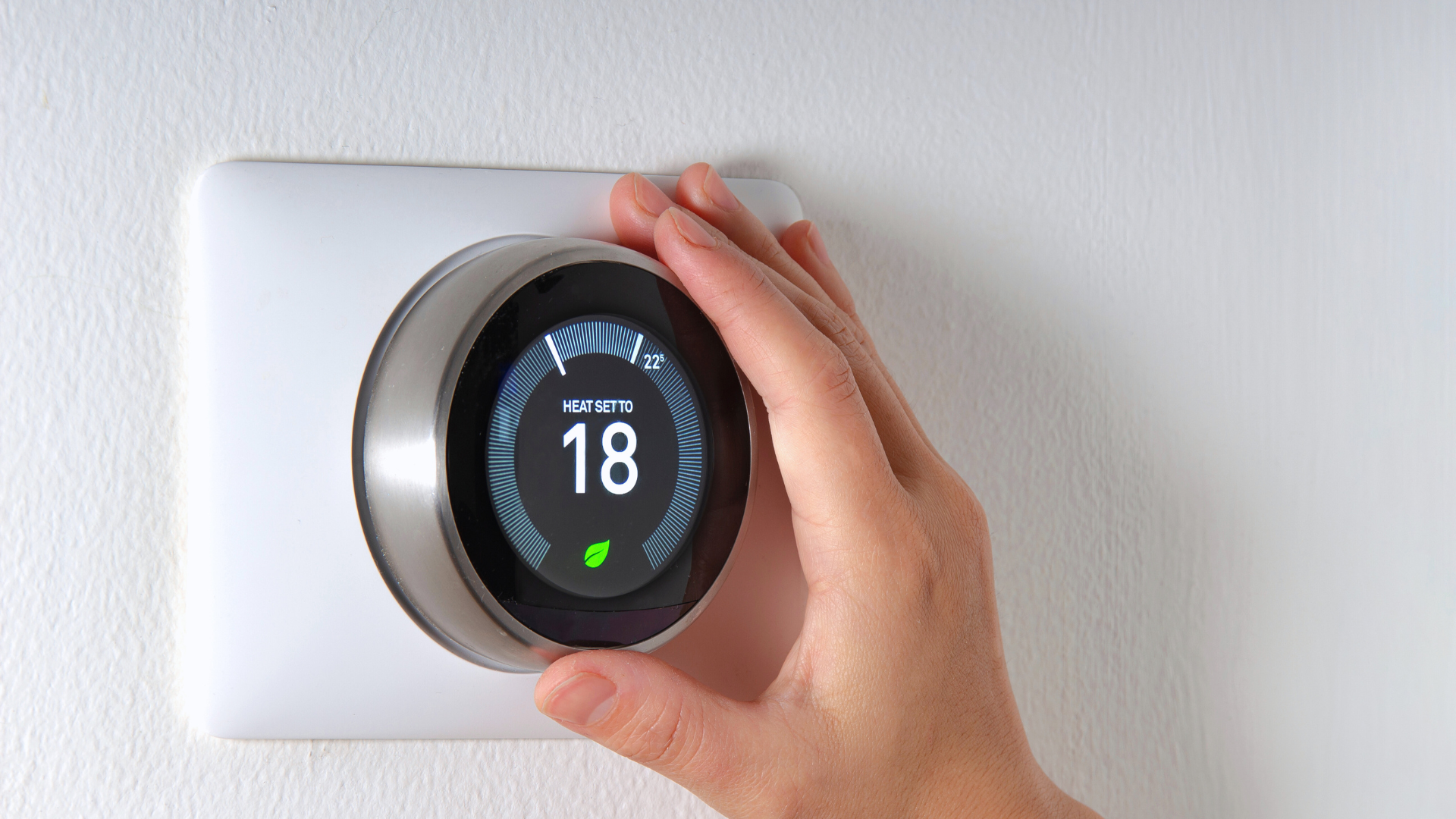
For instance, a smart thermostat can learn temperature preferences and adjust settings autonomously, leading to energy savings. When paired alongside energy-efficient appliances such as air conditioners and heat pumps, it can create a connected ecosystem that works together to maintain optimal indoor comfort and efficiency. Now, proper installation of such appliances by professionals like an Air Conditioning Contractor in Kent or certified heat pump installers can be necessary to ensure these systems operate with maximum efficiency and long-term reliability.
This interconnected setup highlights how smart appliances go beyond standalone devices, functioning as part of a broader, intelligent home system. By working together, these technologies deliver greater convenience, improved efficiency, and a more responsive living environment.
How Smart Home Technology Works
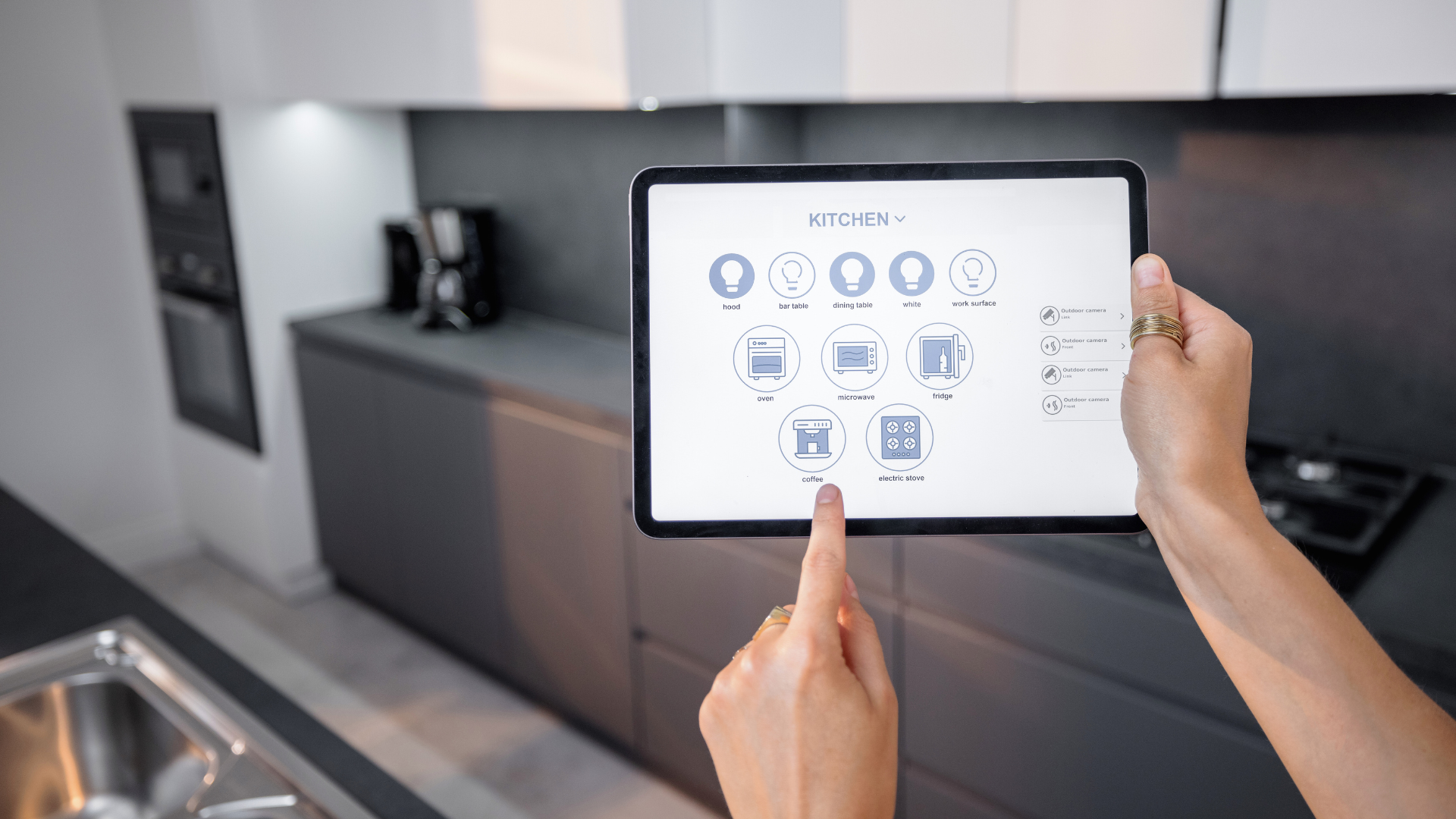
Smart home technology allows devices to communicate with each other through a centralized hub or app. This technology utilizes protocols like Wi-Fi, Bluetooth, and Zigbee to ensure seamless interaction.
Users can control appliances via smartphones, tablets, or voice assistants, creating a more interactive environment. Integration of RFID technology can enhance automation by enabling devices to identify and act according to user behavior and preferences. With the help of advanced manufacturing techniques such as precision machining, Glass Wafer Fabrication Services, and sensor integration, smart devices have become more reliable and efficient in processing data and responding to user commands. Continuous improvements in materials and miniaturization have also enabled smarter, faster, and more energy-efficient home automation systems.
Integration With the Internet of Things (IoT)
The Internet of Things (IoT) is a network of interconnected devices that share data, enabling enhanced coordination and functionality. Smart appliances are integral to the IoT ecosystem, allowing for data collection and remote monitoring.
Through cloud connectivity, smart devices can receive updates and improvements. This integration supports advanced features like predictive maintenance, which alerts users about potential issues before they become significant problems. As the IoT evolves, smart appliances become increasingly versatile, leading to greater home automation and user engagement.
The Pros of Smart Appliances
Smart appliances offer significant advantages that can enhance daily living. These appliances improve convenience, increase energy efficiency, and contribute to home automation. They also support sustainable energy practices, making them a valuable addition to modern households.
Enhancing Convenience and Remote Control
Smart appliances provide users with the ability to control home products remotely. They can be managed through smartphone applications, enabling individuals to operate devices such as smart thermostats, smart plugs, and smart TVs from anywhere.
For instance, a smart thermostat can be adjusted before arriving home, ensuring a comfortable environment. This level of convenience can also extend to managing multiple appliances simultaneously, simplifying daily routines.
Energy Usage and Cost Savings
Smart appliances can lead to reduced energy consumption and lower energy bills. By allowing users to monitor their energy usage, these devices help identify consumption patterns that could affect costs.
For example, a smart thermostat learns the preferred schedule of its users, heating or cooling the home only when necessary. This reduces unnecessary energy consumption and promotes cost savings. According to some studies, households can save up to 30% on heating and cooling costs by using smart thermostats effectively.
Optimizing Home Automation
Smart appliances play a crucial role in home automation systems. They can integrate seamlessly with various smart home devices, creating a cohesive environment that enhances efficiency and comfort.
Homeowners can set up automation routines, such as having lights turn on as they enter a room or appliances running at off-peak hours to save energy. This integration not only simplifies everyday tasks but also allows for a more connected and responsive living space.
Supporting Renewable Energy and Sustainability
Smart appliances contribute to sustainable living by making it easier to incorporate renewable energy sources. Devices can be programmed to operate during periods of high renewable energy generation, thus supporting a greener energy grid.
Companies like Constellation NewEnergy and Constellation Home promote solutions that complement smart appliances, encouraging users to shift their energy consumption to times when renewable energy is most readily available. This not only reduces carbon footprints but also supports the transition to a more sustainable energy model.
The Cons of Smart Appliances
Smart appliances present several challenges that users must consider. These include privacy and security risks, the costs associated with purchasing and maintaining them, and issues with interoperability and compatibility across different brands and systems.
Privacy and Security Risks
Smart appliances are part of the Internet of Things (IoT), meaning they are connected to the internet and can collect data. This connectivity raises significant privacy and security concerns. Unauthorized access to these devices can lead to data breaches, exposing personal information.
For instance, a Samsung smart refrigerator could track food inventory and usage patterns. If hacked, this data could be exploited. As devices communicate with home services, it is vital to ensure robust security measures are in place.
Upfront and Ongoing Costs
Purchasing smart appliances typically requires a higher initial investment compared to traditional appliances. Costs can vary widely based on brand and functionality. Beyond the upfront purchase, ongoing expenses can include subscription services for enhanced features or compatibility with other smart home devices.
For many households, these high upfront costs make buying new laundry or kitchen equipment impractical. Washer and dryer rental plans are a practical alternative that avoids large initial payments. This setup allows residents to access modern, efficient machines without a long-term financial commitment. Many leasing services also handle the delivery, setup, and ongoing maintenance of the units. This approach keeps monthly expenses predictable and removes the stress of unexpected repair bills.
Utility commissions may offer regulated services for energy consumption data, adding another layer to costs. Users should assess whether the benefits outweigh these financial commitments before investing in smart technology.
Interoperability and Compatibility Issues
Interoperability can pose a significant hurdle for smart appliances. Not all devices communicate effectively with each other, even within the same brand. A Samsung smart oven may not seamlessly connect with a different manufacturer’s smart thermostat.
This lack of standardization can lead to frustration and reduced functionality. Users might find themselves locked into one ecosystem or forced to use multiple apps to control devices. It is essential to check compatibility before purchasing new appliances to ensure a cohesive smart home experience.
Key Considerations Before Adopting Smart Appliances
Before integrating smart appliances into daily life, it is essential to assess device compatibility and consider energy supply options. Making informed choices in these areas can enhance the benefits of smart technology while minimizing potential issues.
Evaluating Device Compatibility
Compatibility between smart appliances and existing home systems is crucial. Prospective buyers should check if their current network infrastructure can support new devices. For instance, appliances that depend on Wi-Fi will require a reliable internet connection.
Compatibility with voice assistants is also important. Many smart appliances work with platforms like Amazon Alexa, Google Assistant, or Apple HomeKit. It is advisable to ensure that selected devices can seamlessly interact within these ecosystems for optimal performance.
Key factors to evaluate include:
- Wi-Fi Standards: Ensure compatibility with current standards (e.g., Wi-Fi 5 or Wi-Fi 6).
- Protocol Standards: Check for support of protocols like Zigbee or Z-Wave if using a hub.
- Software Updates: Assess the manufacturer’s commitment to timely firmware updates.
Choosing an Energy Supplier and Service Provider
Selecting the right energy supplier can significantly impact the operational efficiency of smart appliances. Options like natural gas or electricity should be compared, considering factors like local availability and pricing.
A reputable gas supplier, such as Constellation, might provide favorable rates and services tailored for smart home applications. This choice affects both cost and environmental sustainability.
Additionally, the service provider for smart technology plays a role in maintenance and support. An efficient provider can ensure quick issue resolution and high service quality, which enhances the overall experience with smart appliances.
Consider these aspects when choosing:
- Rate Plans: Opt for plans that may offer savings during peak usage.
- Service Quality: Research provider reviews and customer service options.
- Promotions: Look for bundled offers that include home services or smart device integration.