Smart home gadgets are revolutionizing the way people manage their daily lives, offering convenience and efficiency. Using these devices can significantly streamline household tasks, enhance security, and reduce energy consumption. Automation features allow users to control various aspects of their home with ease, leading to a more comfortable living environment.
The integration of smart devices often leads to increased energy savings and better resource management. With options ranging from smart thermostats to intelligent lighting systems, homeowners can optimize their energy usage while maintaining a cozy atmosphere. This not only benefits the wallet but also contributes to a more sustainable lifestyle.
As technology continues to evolve, the benefits of adopting smart home gadgets become more pronounced. They provide solutions that cater to the unique needs of different households, promoting a seamless and modern living experience. Embracing these innovations can transform ordinary homes into efficient, intelligent spaces.
The Fundamentals of Smart Home Technology
Smart home technology encompasses devices and systems that enhance home automation. These gadgets connect to the internet, allowing users to control various functions remotely.
Key components include:
- Smart Devices: Products like smart bulbs, thermostats, and cameras.
- Hub: A central unit that connects multiple devices and enables communication.
- Apps: Mobile applications that allow users to manage devices from anywhere.
Connectivity is critical. Most smart home devices use Wi-Fi, Bluetooth, or Zigbee standards. This ensures that devices can communicate seamlessly.
Benefits of Smart Home Technology:
- Convenience: Automation reduces the need for manual control.
- Energy Efficiency: Smart thermostats can adjust temperatures based on habits.
- Security: Surveillance systems provide real-time monitoring of the property.
Interoperability is another important factor. Many devices work together, creating a cohesive home environment. For example, a smart doorbell can trigger lights to turn on when someone approaches.
Adopting smart home technology requires careful planning. Consideration should be given to compatibility, security, and the intended benefits. This ensures that users make the most of their smart home experience.
Streamlining Daily Routines
Smart home gadgets significantly enhance the efficiency of daily routines. They do this through effective energy management, improved security, and increased convenience, all contributing to a smoother lifestyle.
Energy Management
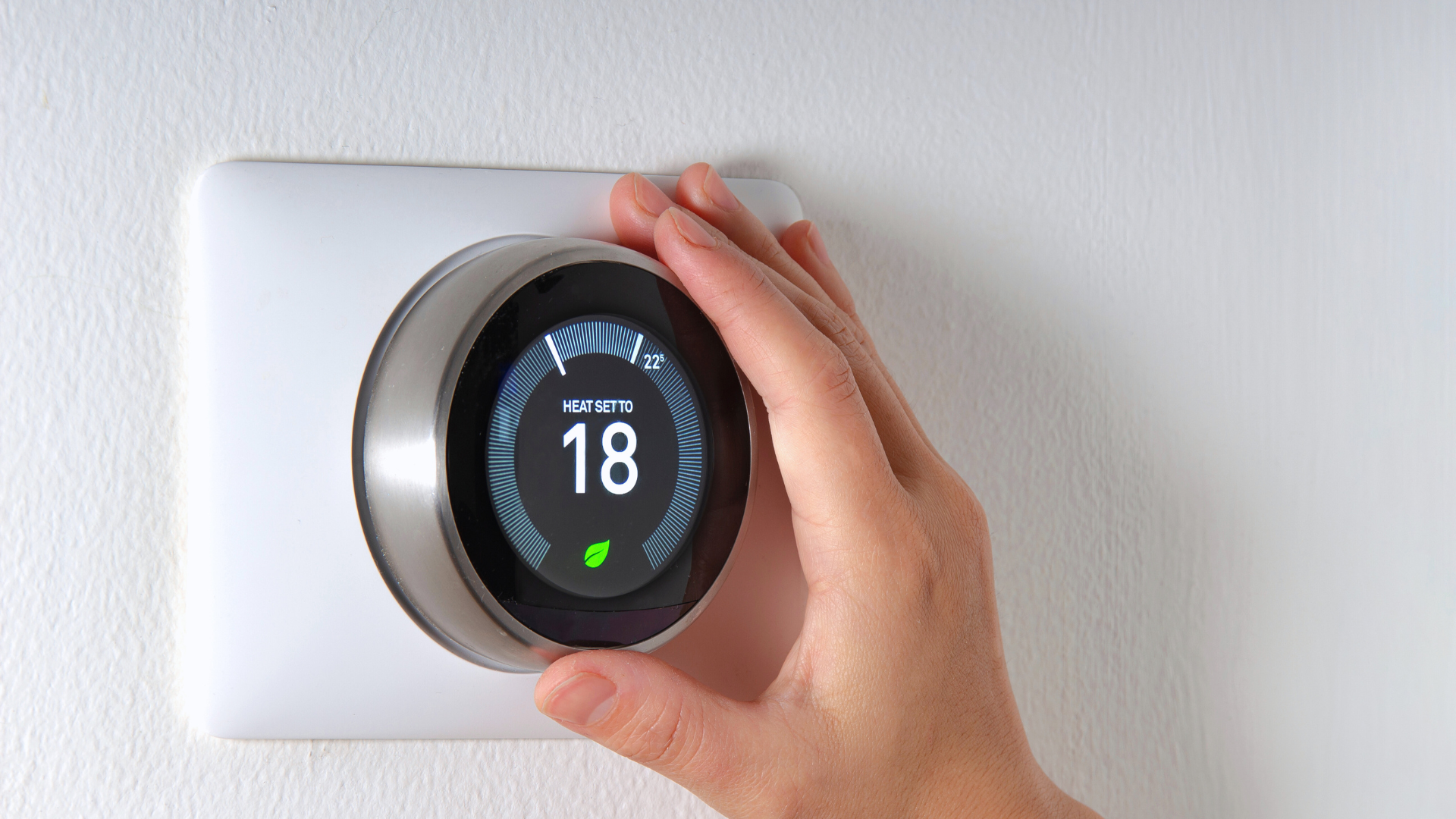
Smart thermostats and lighting systems enable users to monitor and control energy consumption remotely. For example, programmable thermostats, installed by a professional AC service Nashville TN (or one in your local area) can adjust heating or cooling based on a user’s schedule. Professional installation ensures that the system is calibrated correctly and integrated seamlessly with your existing HVAC setup. This helps to reduce unnecessary energy use and can lead to substantial savings on utility bills.
Local climate conditions play a major role in how these systems perform. Homeowners in northern California often face unique weather patterns that require reliable temperature control throughout the year. Working with a regional expert like Next Level Heating & Air Conditioning helps make sure your equipment is ready for seasonal shifts. They have experience with both heating and cooling setups in Sonoma and Marin counties. This local knowledge is useful when you want to get the most out of your smart home upgrades.
Smart plugs allow users to schedule on/off times for appliances, further optimizing energy usage. They can also track energy consumption, providing insights into which devices use the most power. With this information, individuals can make informed decisions about their energy habits.
Heating and cooling systems require the right capacity to run efficiently. If a system is too small, it runs constantly and wastes power. Homeowners can use a Mini Split Sizing Calculator to find the exact BTU needs for their space. This tool helps people choose the right equipment before they invest in smart controls. Getting the size right prevents high energy bills and keeps the home comfortable.
Security Enhancement
Smart security systems offer real-time monitoring and alerts, significantly increasing home safety. Features such as video doorbells and motion sensors enable users to see and respond to activities around their homes instantly.
Smart locks can be programmed to allow access to trusted individuals without the need for physical keys. This not only enhances security but also adds convenience for family members and visitors. Alerts can be sent to smartphones in the event of unexpected activity, allowing for immediate action.
Convenience and Comfort
Smart home devices enhance daily comfort through automation and remote control. Voice-activated assistants can manage various tasks, from playing music to adjusting the indoor temperature. This hands-free operation frees up users to focus on other activities.
Automated blinds or shades can be programmed to open and close according to the time of day, managing natural light effectively. Additionally, smart kitchen appliances can simplify meal preparation, enabling users to start cooking from anywhere. The ease of use provided by smart gadgets transforms daily tasks into seamless experiences.
Economic Benefits
Smart home gadgets offer significant economic benefits for homeowners. They can lead to cost savings and enhance the value of a property, making them a worthwhile investment.
Cost Savings over Time
Smart home devices often lead to reduced utility bills. For instance, smart thermostats can optimize heating and cooling schedules based on user behavior, which typically results in a 10-15% reduction in energy costs.
Smart lighting systems also contribute to savings. By utilizing LED technology and automation, homeowners can minimize electricity usage. Additionally, devices like smart plugs can help monitor and reduce energy consumption by turning off idle electronics.
Investing in smart home technology can sometimes qualify homeowners for energy efficiency rebates or tax credits, providing further financial benefits. As devices become more integrated, the cumulative savings over time can be substantial.
Increased Property Value
The presence of smart home technology can significantly increase property value. Homes equipped with smart devices often attract more buyers, as these features are increasingly desired in the real estate market.
A study conducted by the National Association of Realtors found that 57% of homebuyers prefer properties with smart home technology. Integrating technologies such as security systems, smart lighting, and home automation can lead to a higher resale value, appealing to tech-savvy buyers.
Investing in smart home gadgets can help differentiate a property in a competitive market. This differentiation not only appeals to potential buyers but also positions the home as modern and energy-efficient, further enhancing its marketability.
Environmental Advantages
Smart home gadgets offer potential benefits in reducing energy consumption and conserving resources. These technologies can enhance efficiency and make everyday living more environmentally friendly.
Energy Efficiency
Smart home devices, such as smart thermostats and energy-efficient lighting, adjust usage according to real-time data. For instance, a smart thermostat can learn a homeowner’s schedule and optimize heating or cooling, often resulting in up to 30% energy savings compared to traditional systems.
Key Features:
- Automated Controls: Create schedules or control devices remotely.
- Energy Monitoring: Track consumption patterns to identify wasteful usage.
This proactive management helps reduce unnecessary energy expenditure, leading to lower utility bills and a decreased carbon footprint. To achieve this efficiency, homeowners can coordinate their smart systems with services like Seabreeze Propane, or similar fuel providers to ensure their systems are working properly to maintain peak performance throughout the year. This can ensure that every aspect of the home’s heating and power infrastructure remains as eco-friendly and cost effective as possible.
Resource Conservation
Resource conservation is another critical advantage of smart home technology. Devices like smart irrigation systems monitor weather conditions and soil moisture, optimizing water usage in landscaping. This minimizes waste while maintaining plant health.
Advantages Include:
- Reduced Water Use: Smart irrigation prevents overwatering, saving significant amounts of water.
- Sustainable Appliances: Many smart appliances are designed for optimal performance with minimal resource waste.
Smart home gadgets not only streamline daily tasks but also foster responsible usage of water and other essential resources, contributing to a more sustainable lifestyle.
The Future of Connectivity
The landscape of home technology is evolving rapidly. Integration of devices and the development of cohesive ecosystems are transforming how individuals interact with their living spaces.
Integration with IoT
Integration with the Internet of Things (IoT) is critical for smart home gadgets. IoT enables devices to communicate, allowing for seamless automation and user control. From smart thermostats to security cameras, any device connected to the internet can gather and share data, enhancing functionality.
For example, a smart thermostat can learn user preferences and optimize energy use. This results in cost savings and improved efficiency. Smart appliances can sync with smartphones, giving users real-time updates and control from anywhere. Such integration not only improves convenience but also enhances safety through features like remote monitoring.
Smart Home Ecosystems
Smart home ecosystems represent a cohesive network of devices working together. Major tech companies are developing platforms that support interoperability among various gadgets. These ecosystems allow devices from different manufacturers to operate in harmony, creating an enhanced user experience.
Popular ecosystems like Amazon Alexa, Google Home, and Apple HomeKit provide users with central control points. Users can issue commands to multiple devices simultaneously, streamlining everyday tasks. The expansion of these ecosystems includes integration with third-party applications, offering even more capabilities, such as advanced home security features and energy management tools. This evolution signifies a future where smart home technology becomes increasingly intuitive and user-friendly.
User Experience and Accessibility
Smart home gadgets focus on enhancing user experience and ensuring accessibility for a diverse population. These devices aim to be intuitive and easy to use, accommodating individuals of various skill levels and ages.
User-Friendly Interfaces
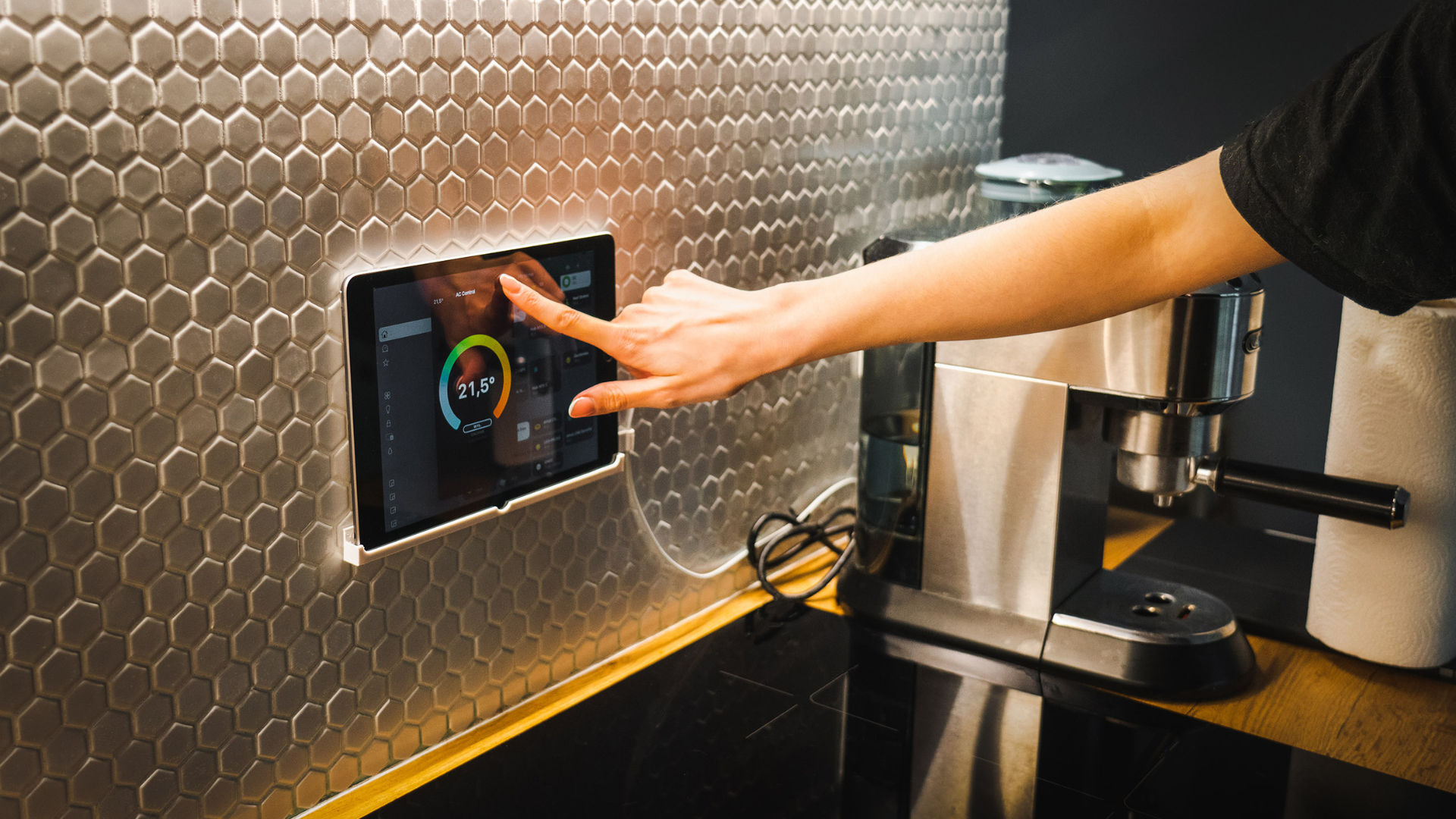
Smart home devices prioritize user-friendly interfaces, making them accessible even to those not tech-savvy. Many products feature touchscreen controls, voice commands, or mobile app integration that streamline interaction.
Icons are typically intuitive, using common symbols that require minimal explanation. For example, a light bulb icon represents lighting controls, while a lock symbol indicates security features. These interfaces often include setup wizards that guide users through initial configurations.
Supportive documentation is often available to help with troubleshooting, ensuring users can easily resolve issues. The emphasis on design enhances engagement and encourages more frequent usage of smart home technologies.
Accessibility for All Ages
Smart home gadgets cater to users across various age groups. Children may find interactive features stimulating, while older adults benefit from simplified functions that address their changing needs.
Many devices incorporate large text and high-contrast colors for easier readability. Additionally, voice activation allows users with physical limitations to control devices without needing to manipulate small buttons.
Some manufacturers also offer customization options, enabling families to tailor settings according to individual preferences, and promoting inclusivity. By prioritizing accessibility, smart home gadgets create an environment where users of all ages can enjoy the benefits of modern technology.
Safety Considerations
Smart home gadgets can enhance convenience and efficiency, but they also introduce potential risks regarding data privacy and device security. Understanding these aspects is crucial for making informed decisions.
Data Privacy
Smart home devices collect vast amounts of personal data, including usage patterns and preferences. This information may be shared with third parties for marketing purposes.
Users must review privacy policies to see how their data is processed. Key concerns include:
- Data Sharing: Many companies share data with affiliates or advertisers.
- User Control: Check whether users can limit data collection.
- Opt-Out Options: Some devices offer options to opt out of data tracking.
Taking these precautions helps mitigate risks associated with unauthorized data access.
Device Security
Device security is critical, as poorly secured gadgets can serve as entry points for cyberattacks. Vulnerabilities may arise from outdated firmware or weak passwords.
To enhance device security:
- Regular Updates: Ensure that devices receive timely firmware updates to patch vulnerabilities.
- Strong Passwords: Use complex and unique passwords for each device.
- Network Protection: Utilize firewalls and secure home Wi-Fi networks.
Implementing these measures adds layers of protection against potential threats.
Maintenance and Troubleshooting
Smart home gadgets require regular maintenance to function optimally. Routine checks can prevent small issues from escalating.
Common Maintenance Tasks:
- Software Updates: Regularly update device firmware to enhance security and performance.
- Battery Checks: Monitor battery levels in wireless devices and replace them when necessary.
- Cleaning: Dust sensors and cameras to ensure correct operation.
Troubleshooting issues may arise with smart home devices. Identifying the root cause can simplify the process.
Basic Troubleshooting Steps:
- Restart the Device: A simple reboot can resolve many connectivity issues.
- Check Connections: Ensure that all cables are properly connected and secure.
- Wi-Fi Signal: Verify that the device is connected to a stable Wi-Fi network.
If problems persist, consult the manufacturer’s support resources or community forums. Many brands offer detailed troubleshooting guides.
In some instances, factory resets can restore devices to their original settings.
When to Seek Help:
- Persistent connectivity issues.
- Frequent software errors.
- Hardware malfunctions.
Using smart home gadgets efficiently requires attention to maintenance and effective troubleshooting strategies. Regular checks and swift action can prolong the device’s lifespan and enhance the smart home experience.
Choosing the Right Gadgets
Selecting the right smart home gadgets involves careful consideration of compatibility with existing systems and prioritizing quality and reliability. These factors significantly impact the overall functionality and user experience.
Compatibility with Existing Systems
When choosing smart home gadgets, compatibility is crucial. Users should first identify their current smart home ecosystem, such as Amazon Alexa, Google Assistant, or Apple HomeKit. Each platform has varying standards and requirements.
Key considerations include:
- Protocols: Ensure the gadget supports local communication protocols like Zigbee, Z-Wave, or Wi-Fi.
- Brand Integration: Selecting devices from well-known brands that advertise compatibility with your system can simplify integration.
To avoid frustration, potential buyers should check reviews and product specifications before making a purchase. Compatibility not only enhances functionality but also eases the setup process.
Quality and Reliability
Quality and reliability are essential for a satisfying smart home experience. Users should research brands known for sturdy performance and long-lasting products.
Factors to evaluate include:
- User Reviews: Reading customer feedback can highlight performance issues or recurring malfunctions.
- Warranty and Support: A manufacturer offering a robust warranty signals confidence in their product’s durability.
Investing in reliable gadgets reduces the chances of frequent replacements and maintains a seamless smart home experience. Prioritizing quality will ultimately lead to greater satisfaction in the long run.