
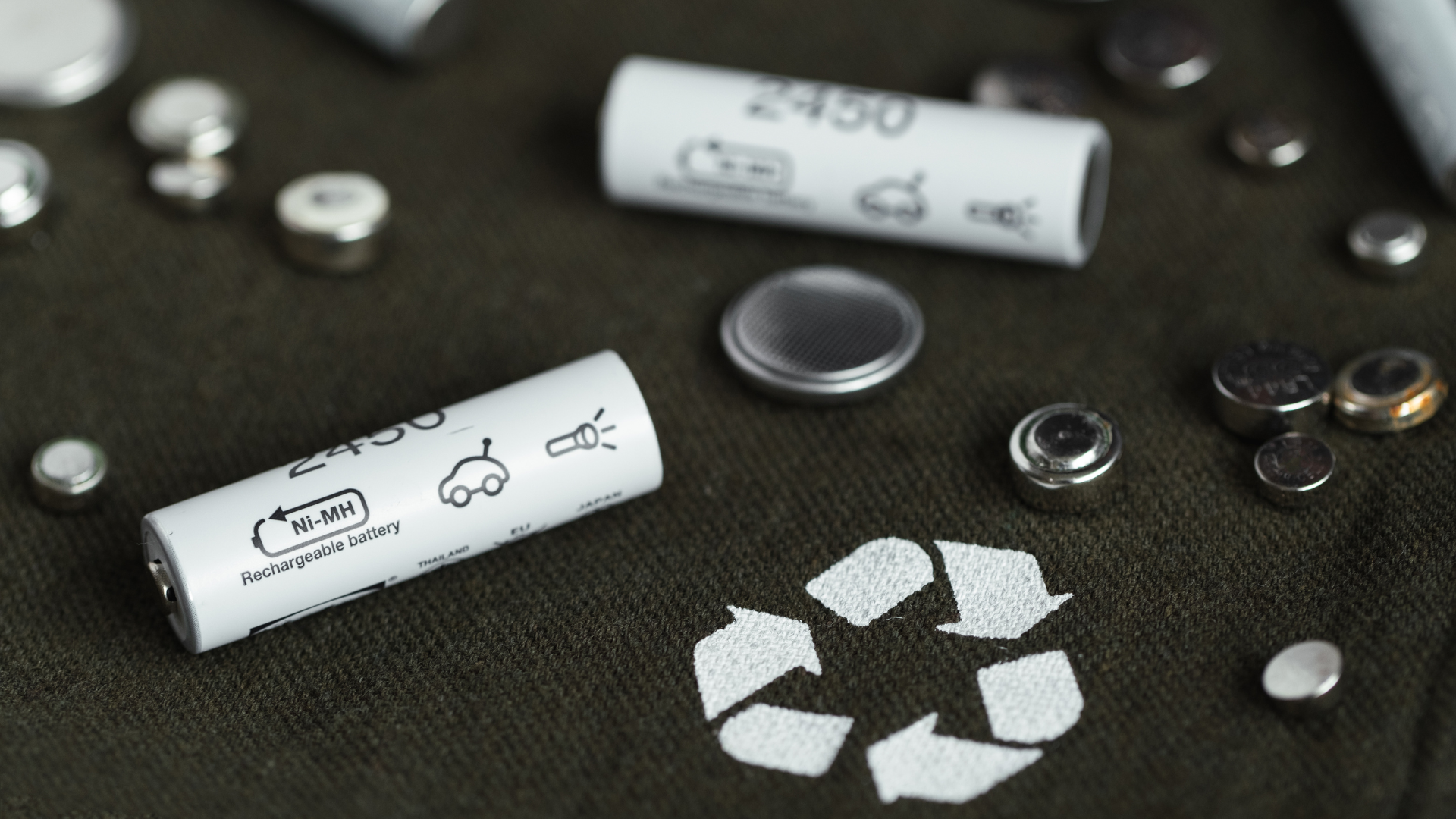
While upgrading devices and embracing innovation feels second nature, the cost to the environment is rarely top of mind. But where does all that discarded tech end up? And why does it matter?
What Exactly is E-Waste?
E-waste includes everything from discarded smartphones, laptops, and TVs to outdated refrigerators, washing machines, and any electronic device we can no longer use. It’s a catch-all term covering a huge variety of materials, most of which contain valuable metals and hazardous substances. While some e-waste can be recycled, a large percentage of it is dumped in landfills, incinerated, or illegally exported to developing countries. This is why it’s important to use professional, reliable e waste disposal services.
Improper handling and disposal of e-waste can lead to environmental degradation as well as pose health risks. Exposure to hazardous substances found in this waste can result in serious health issues. This can prompt affected individuals to look for chemical exposure legal claims from legal professionals to deal with the health impacts and seek compensation for damages caused. Taking legal actions can bring the focus on proper e-waste management to protect public health and the environment.
The Big Problem: Where E-Waste Ends Up
Every year, millions of tonnes of e-waste are generated worldwide, and sadly, most of it does not get recycled. The vast majority is either sent to landfill or incinerated, creating a host of environmental issues that are often hidden from everyday life.
- Landfills – When e-waste ends up in landfills, it releases toxic chemicals, including lead, mercury, and cadmium, into the soil and water. This contamination affects not only the surrounding environment but also the health of communities nearby.
- Incineration – Burning e-waste might seem like a way to reduce volume, but this process releases harmful dioxins and furans into the air, polluting the atmosphere and increasing health risks for those who breathe it.
- Illegal Exports – Many developed countries ship e-waste to poorer nations where environmental regulations may be weak or non-existent. Here, workers often dismantle the waste by hand, exposing themselves to toxic materials without any protection.
These disposal methods come with a heavy environmental cost. From soil contamination to air pollution, the impact is profound, and it’s a global issue.
The Valuable Components We’re Throwing Away
One of the more surprising aspects of e-waste is the sheer amount of valuable material it contains. Discarded electronics are rich sources of metals such as gold, silver, copper, and palladium. In fact, it’s estimated that the precious metals in e-waste worldwide are worth billions of dollars. Yet, a tiny fraction of these materials is recovered. Recycling these metals could significantly reduce the need for mining, which is not only energy-intensive but also damaging to ecosystems.
When mining is necessary to meet global demand, the industry must adopt cleaner practices to limit its footprint. Traditional extraction methods often process large amounts of waste rock just to get a small amount of usable metal. Modern operations are beginning to use advanced ore sorting technology to separate valuable minerals from waste right at the mine site. This approach reduces the volume of material that needs to be transported and processed. As a result, mines use less water and energy, which helps lessen the overall environmental damage of resource extraction.
E-waste is essentially a gold mine, and yet, we’re discarding these materials at an alarming rate. Why aren’t we capturing this value?
The Environmental Impact of E-Waste
The environmental impact of e-waste isn’t limited to pollution and resource waste; it’s also a factor in climate change. Here’s how:
- Greenhouse Gas Emissions – Producing new electronics requires energy-intensive mining, refining, and manufacturing processes, all of which contribute to greenhouse gas emissions. By recycling e-waste, we can reduce the demand for new materials and the emissions associated with their production.
- Pollution of Soil and Water – Metals like lead, mercury, and cadmium leach into soil and groundwater when e-waste sits in landfills. These pollutants can have lasting effects, impacting agriculture, wildlife, and even entering our food chain.
- Health Risks for Workers and Communities – In areas where e-waste is illegally dismantled, workers are exposed to toxic chemicals without proper safety equipment. The surrounding communities also suffer from increased exposure to pollutants, which can lead to respiratory issues, cancers, and other health complications.
- Habitat Destruction from Mining – If valuable materials aren’t recycled, we turn to mining for resources. Mining is destructive, leading to deforestation, loss of biodiversity, and erosion, impacting wildlife habitats and local communities.
- Energy Waste – Recycling e-waste saves energy. For example, recycling one million mobile phones saves enough energy to power thousands of homes for a year.
Each of these factors highlights how e-waste contributes to some of the most pressing environmental issues we face today.
Why Recycling E-Waste Makes Sense
Recycling e-waste is not just about disposing of unwanted items; it’s about recovering valuable resources and reducing the environmental footprint of new electronics. When done correctly, e-waste recycling offers several benefits:
- Resource Recovery – Extracting metals from e-waste can supply raw materials for new products, reducing the need for environmentally damaging mining operations.
- Energy Conservation – Recycling uses far less energy than producing new materials. This energy savings translates into lower carbon emissions, helping to combat climate change.
- Pollution Reduction – Proper recycling keeps hazardous materials out of landfills and incinerators, preventing soil, water, and air pollution.
- Job Creation – The recycling industry generates jobs, from collection and sorting to processing and material recovery, providing economic benefits as well as environmental ones.
What Can You Do?
Addressing e-waste may seem daunting, but change can happen when we all take steps toward a more sustainable future. Here are some simple actions you can take:
- Extend Device Life – Consider repairing or upgrading devices rather than replacing them with new ones. This can help reduce unnecessary electronic waste while also saving money on frequent replacements.
- Recycle Responsibly – When it’s time to dispose of old electronics, it is important to do so through e-waste recycling centres Australia (or similar locations) that follow safe, ethical, and environmentally responsible recycling practices. This helps ensure that hazardous materials are handled properly while allowing reusable components and valuable resources to be recovered more sustainably.
- Buy Refurbished Products – Purchasing refurbished electronics not only reduces waste but also often saves money. In many cases, refurbished devices still offer reliable performance while helping lower the environmental impact associated with manufacturing new products.
- Support Responsible Brands – Some companies are committed to eco-friendly practices, from sustainable design to buy-back and recycling programs. Supporting these brands can encourage more businesses to adopt environmentally responsible manufacturing and disposal practices.
- Advocate for Stronger E-Waste Policies – Encourage governments and organisations to enforce policies that promote recycling and penalise improper disposal. Stronger regulations and awareness initiatives can help improve recycling systems and reduce the long-term environmental impact of electronic waste.
These individual actions, when multiplied across millions, have the power to shift the entire lifecycle of our electronics industry towards a more sustainable model.
Shaping a Sustainable Future
The environmental impact of e-waste is undeniable, but so is our ability to address it. Let’s ensure that the convenience of today doesn’t come at the cost of tomorrow.