
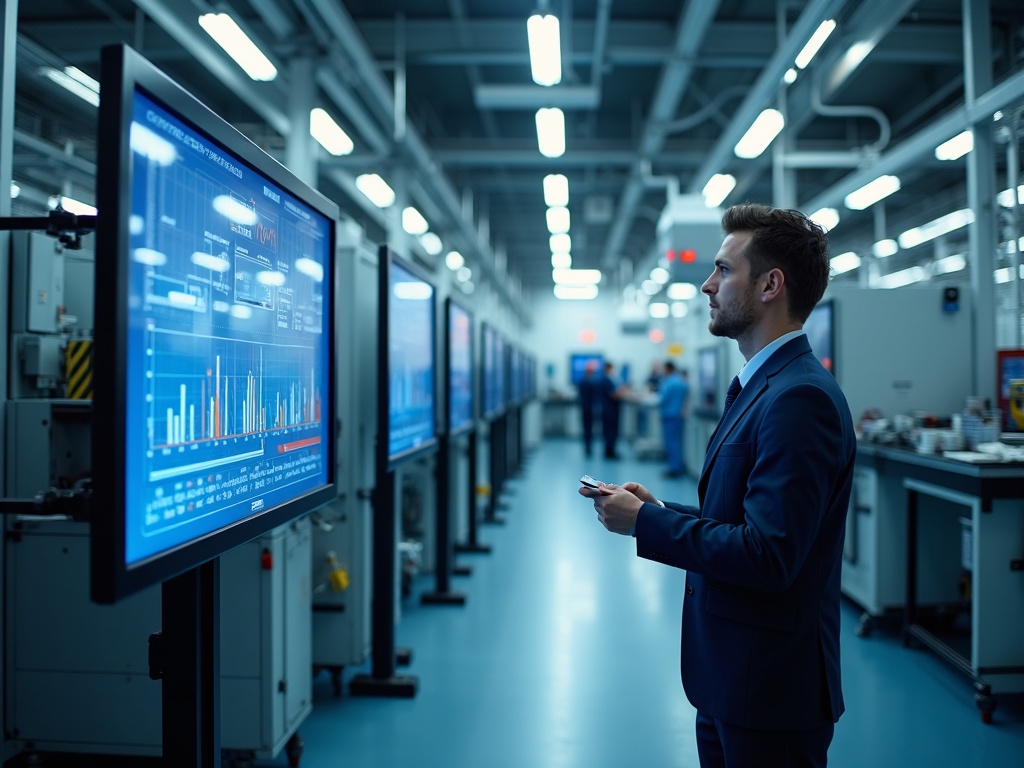
When you picture a factory, you might imagine loads of machines whirring, workers checking things, and products rolling off conveyor belts non-stop. It probably looks a bit chaotic. But here’s the thing — it’s not random at all. Behind the scenes, there’s a system quietly making sure everything works the way it should. That system is called a control system, and without it, the whole place would be a mess.
Control systems act like the brain of the factory. They keep machines in check, stop accidents before they happen, and make sure products come out right every single time. They don’t look flashy, but without them, factories just couldn’t keep up with the demands of today’s world.
So, What’s a Control System?
A control system is basically a setup that watches over machines and tells them what to do. It’s made up of sensors, controllers, and software, all working together to keep things running smoothly.
The sensors pick up what’s happening — like checking temperature, speed, or pressure. The controllers decide if things are going the way they should. And the software makes sure the instructions are carried out.
Think of it a bit like traffic lights. The sensors are the cameras and buttons that notice cars and people. The controller decides when to change the light. And the lights themselves are the part that tells everyone to stop or go. In a factory, though, instead of cars, it’s machines and production lines being kept in order.
Let’s say a machine that makes soda cans starts pressing them slightly out of shape. The control system would notice the problem right away, make an adjustment, and get the cans back to the right shape. That quick fix means no giant pile of wasted cans.
If you want to see how experts design these systems, there’s a really helpful guide on control systems design and automation that explains how they’re set up to keep industries working at top speed.
Why Factories Can’t Work Without Them
Factories don’t just make a few products here and there — they often turn out thousands or even millions every day. Trying to run all of that by hand would lead to mistakes, slowdowns, and a lot of wasted money. That’s where control systems step in.
They keep things running on time, cut down on errors, and even stop problems before they get dangerous. Imagine a machine getting too hot. The control system would instantly shut it down before it could break or cause a fire. That’s not just about saving equipment, it’s about keeping workers safe too.
Control systems also make sure products are consistent. When you buy a packet of crisps, you expect every single one to look and taste the same. Without systems keeping everything in line, one bag might be great while another could be a total disappointment.
Automation: The Heart of Modern Factories
You’ve probably heard people talk about “automation.” All it really means is that machines can do jobs on their own, without needing a person to control every move. Control systems are what make that possible.
A few decades ago, factory workers had to do almost everything themselves — heavy lifting, tricky tasks with dangerous tools, or endless boring jobs. Now, a lot of that is handled by machines. For example, in car factories, robots weld and paint vehicles non-stop. People then step in to check quality and handle the smaller details machines might miss.
This doesn’t mean humans aren’t needed. It just means the hard, risky, and repetitive stuff is taken over by machines, while people focus on things that need problem-solving and creative thinking.
How They Help Keep People Safe
Factories can be dangerous places. With massive machines, sharp tools, and moving parts everywhere, safety is a big deal. Control systems help prevent accidents by spotting problems right away.
If a machine door is left open, the system can shut everything down so no one gets hurt. If a motor starts pulling in too much power, the system can cut it off before it blows. Some setups are even smart enough to notice small issues that keep happening and alert workers before things get worse. That’s called predictive maintenance, and it saves a lot of stress, time, and money.
Doing Good for the Planet Too
Another bonus is that control systems don’t just make factories faster and safer — they also help the environment. By making sure machines only use the energy they need, they stop electricity from being wasted. They also reduce the amount of materials that get thrown away.
Imagine a system that notices a batch of biscuits isn’t baking evenly. Instead of letting the whole batch go to waste, it can stop the process and fix the problem before it gets out of hand. Less waste means less impact on the planet and lower costs for the company.
Everyday Things You Already Use
Even if you’ve never been inside a factory, you see the results of control systems every single day. That chocolate bar you opened? The control system made sure it was the right size and wrapped properly. The phone in your pocket? Built with parts put together so precisely that it works perfectly the moment you turn it on.
Without control systems, products would be all over the place — some fine, some faulty, and some not safe to use. Customers would be unhappy, and businesses would lose money fast.
What’s Next for Control Systems
Technology is moving quickly, and factories are already trying out even smarter systems. Some now use artificial intelligence so machines can make small decisions without waiting for a human to step in.
The future might bring factories that pretty much run themselves. People will still be needed, but their jobs will focus more on designing, programming, and making sure everything works as planned instead of standing at a machine all day.
Final Thoughts
Control systems might not be something most people notice, but they’re working quietly in the background to keep factories safe, fast, and reliable. They make sure products turn out the way they should, protect workers, save energy, and cut down on waste.
So, the next time you grab a snack, play a game on your phone, or put on a new pair of trainers, remember — control systems were there making sure everything came out just right.