Advancements in home technology are continually reshaping the ways individuals engage with their living spaces. Smart devices, adaptive tools, and innovative software now play a significant role in enhancing accessibility for everyone, regardless of their physical or cognitive abilities. These technologies empower users to create customized environments that cater to their unique needs, promoting independence and improving quality of life.
From voice-activated assistants to automated lighting systems, the integration of tech solutions into daily routines has enabled users to accomplish tasks with greater ease. Features designed specifically for accessibility, such as screen readers and smart home controls, are transforming homes into inclusive spaces. This shift ensures that technology serves as a bridge rather than a barrier.
As more people recognize the importance of accessible design, the demand for user-friendly technology continues to grow. With businesses and developers prioritizing inclusive solutions, the landscape of home technology is evolving to accommodate diverse needs and lifestyles. By embracing these innovations, society moves towards a more equitable future for all users.
Smart Home Technology Advancements
Advancements in smart home technology enhance accessibility for all users by integrating intuitive features, empowering individuals to manage their environment effortlessly. Key innovations include voice control, automated lighting, and enhanced security systems, each designed to improve the overall user experience.
Voice Control and Integration
Voice control systems have transformed interactions with smart home devices. Users can communicate with devices through natural language, making technology accessible for those with mobility challenges. Popular systems like Amazon Alexa and Google Assistant facilitate this integration.
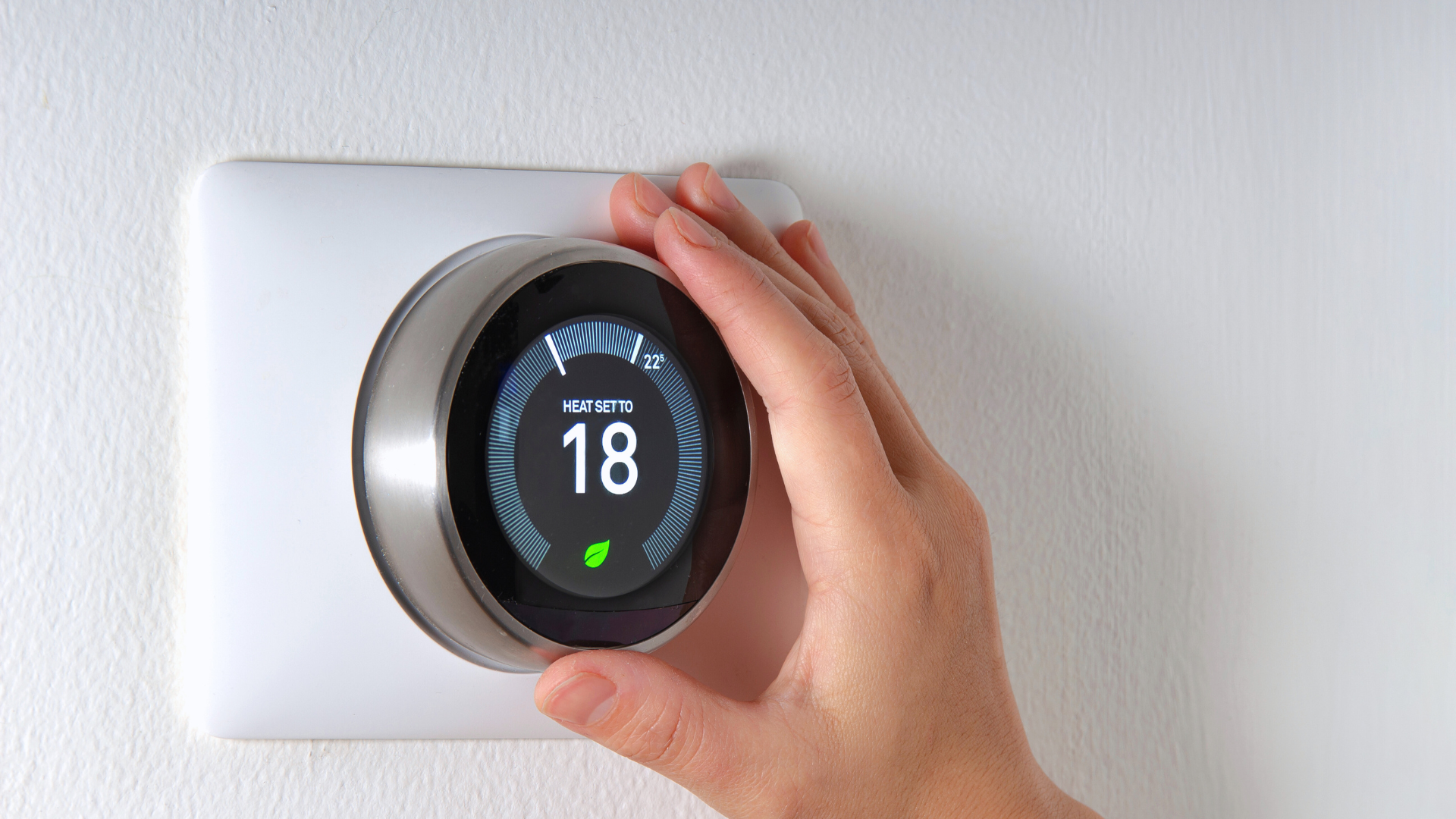
These platforms enable users to operate lights, thermostats, and entertainment systems using simple voice commands. This convenience fosters independence, particularly for individuals with limited dexterity or visual impairments, making it an essential feature of modern homes.
Automated Lighting and Environment Controls
Automated lighting systems allow users to control brightness and color settings with minimal effort. These systems can be programmed to adjust based on natural light or personal preferences. Smart bulbs and switches work in concert with sensors to optimize energy usage and enhance safety.
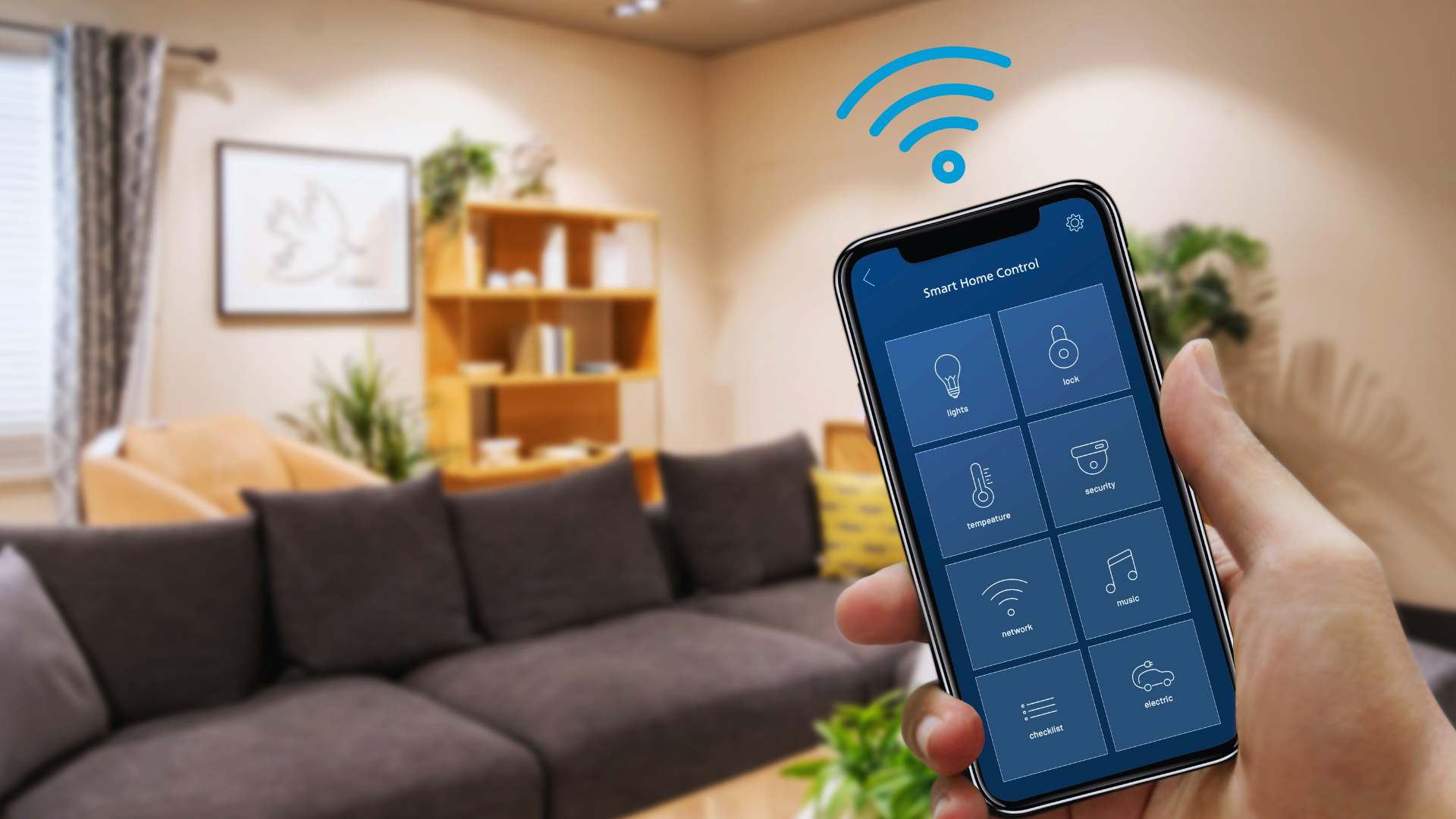
For example, motion sensors can turn lights on or off automatically, reducing the risk of accidents in low-visibility situations. Many systems offer smartphone applications, allowing users to manage settings remotely, ensuring adaptability in a variety of living situations.
Security Systems with Accessible Features
Accessible security systems provide enhanced safety measures for all users. Modern systems incorporate features like smartphone alerts, video monitoring, and smart locks. Users can receive notifications about unusual activity, allowing for proactive responses.
Some systems include a variety of options for notifications, including visual, auditory, or tactile alerts. These adaptations ensure everyone can benefit from heightened security measures, regardless of their specific needs. Integration with other smart home devices further enables personalized security solutions.
Digital Accessibility Tools for Inclusive Living
Digital accessibility tools are transforming the way individuals with varying needs engage with technology. These innovations facilitate independent living and enhance user experience across diverse environments. Key categories include AI-powered devices, wearables, and building automation systems.
AI-Powered Assistive Devices
AI-powered assistive devices leverage advanced algorithms to enhance daily living for users with disabilities. These tools include smart speakers and voice-activated systems, which allow for hands-free operation of various tasks.
Examples:
- Smart Home Assistants: Devices like Amazon Echo and Google Home respond to voice commands, enabling users to control lighting, appliances, and entertainment systems.
- Speech Recognition Software: Programs such as Dragon NaturallySpeaking enable users to dictate text, navigate devices, and control applications using their voice.
These tools not only increase independence but also help bridge gaps in communication and daily task management.
Wearables and Augmented Reality Solutions
Wearable technology designed for accessibility addresses a range of mobility and communication challenges. These devices provide real-time feedback and assistance, enhancing user interaction with their environment.
Features:
- Smart Glasses: Products like Google Glass and Microsoft HoloLens offer augmented reality experiences, assisting visually impaired users by providing audio cues and navigation assistance.
- Activity Trackers: Wearables, such as smartwatches, monitor health metrics and send alerts, helping users manage medical conditions effectively.
These innovations not only improve accessibility but also promote health and safety in various contexts.
Building Automation for Enhanced Mobility
Building automation systems integrate technology to create accessible environments for all users. These systems enable seamless control of various aspects of a physical space, enhancing mobility and convenience.
Key Components:
- Smart Door Systems: Automated doors, often with sensor technology, allow users to enter or exit buildings without manual operation.
- Lighting Control Systems: Adaptive lighting solutions can be programmed to provide optimal visibility based on user preferences or needs.
Building automation not only improves accessibility but also fosters a sense of security and independence for users.
Expanding Access Through Everyday Technology
Every day, technology plays a vital role in enhancing accessibility. Improvements in mobile devices, user interface design, and web applications provide users with tools that accommodate diverse needs.
Accessible Mobile Devices and Operating Systems
Mobile devices have increasingly integrated accessibility features. For instance, smartphones now include voice control, screen readers, and adjustable text sizes. These features allow individuals with visual impairments to navigate their devices more effectively.
Operating systems like iOS and Android frequently update their accessibility options. They offer closed captioning for videos, high-contrast themes, and haptic feedback, ensuring that users can customize their experience. This adaptability helps users engage with technology in a way that meets their specific requirements.
User-Friendly Interface Design
User interface design has become more intuitive, facilitating ease of use for everyone. Developers are prioritizing simplicity, ensuring that buttons and icons are clearly labeled and easy to understand. This approach greatly benefits users of all ages and abilities.
The use of consistent design patterns helps users navigate applications easily. Features such as larger touch areas and keyboard shortcuts enhance usability for individuals with mobility challenges. Companies are increasingly seeking user feedback to refine these interfaces further.
Web and Application Accessibility Improvements
Web accessibility initiatives focus on ensuring that digital content is usable by people with disabilities. Websites now commonly comply with WCAG (Web Content Accessibility Guidelines) standards. Using alt text for images and providing keyboard navigation options are prominent examples.
Applications also implement features such as text-to-speech and speech-to-text functionality. These improvements help users who may struggle with reading or writing. Regular updates to these applications ensure ongoing accessibility, allowing continuous engagement with digital content.
Future Trends and Impact on Universal Accessibility
Advancements in home technology are paving the way for improved accessibility. This section explores emerging innovations, ongoing challenges, and the importance of industry standards in creating a universally accessible environment.
Emerging Innovations in Home Tech
New technologies are continually enhancing accessibility for users with various disabilities. Smart home devices equipped with voice recognition allow individuals to control appliances, lighting, and security systems without physical interaction.
Wearable technology is also expanding. Innovations such as smart glasses assist individuals with visual impairments by providing real-time navigation and object recognition. Augmented reality (AR) is being used to create interactive interfaces that cater to specific needs, enabling a more inclusive experience.
Home automation systems are integrating AI to learn user behaviors. These systems adjust settings based on individual preferences, promoting autonomy and ease of use. Such advancements contribute significantly to empowering all users.
Addressing Ongoing Barriers
Despite progress, several barriers still exist that impede accessibility. One issue is the high cost associated with advanced home technology. Many technologies are not affordable for average consumers, limiting their widespread adoption.
Another challenge lies in the digital divide. Users without access to reliable internet or technology lack the means to benefit from modern home tech solutions. This divide disproportionately affects low-income families and rural communities.
There are also compatibility issues. Many existing devices and applications do not work seamlessly with assistive technologies, creating frustration for users. Bridging these gaps is essential for achieving true universal accessibility.
The Role of Industry Standards
Establishing clear industry standards is essential for fostering innovation while ensuring accessibility. Organizations are beginning to create guidelines that directly address the needs of users with disabilities. These standards help manufacturers design products that are inclusive from the ground up.
A focus on interoperability among devices also plays a crucial role. Ensuring that different devices can communicate effectively creates a smoother user experience. This compatibility is vital for users who rely on multiple technologies to maintain their independence.
Lastly, advocacy for accessible design principles is gaining traction. Encouraging companies to consider accessibility during the design phase enhances usability for everyone, benefiting a broader audience.