Storing and protecting camera gear is essential for any photographer. Proper care ensures longevity and reliability in capturing stunning images. Organizing equipment in a controlled environment and using suitable protective cases can significantly preserve the functionality and quality of camera gear.
Humidity, temperature, and physical damage are common threats that can affect equipment performance. Photographers should keep gear in a dry, cool place and consider investing in dehumidifiers or silica gel packs. Another layer of protection can be achieved by using padded bags or hard cases designed for camera equipment.
Regular maintenance also plays a vital role in safeguarding gear. Cleaning lenses and bodies after use, checking for dust, and storing batteries properly can enhance performance and extend the life of the equipment. Photographers who implement these practices can ensure their tools remain in optimal condition for all shooting conditions.
Fundamentals of Camera Gear Storage
Proper storage of camera gear is essential for maintaining its condition and longevity. It helps protect against environmental factors, potential damage, and loss of equipment. Paying attention to storage practices ensures photographers can rely on their gear when needed.
Why Proper Storage Matters
Storing camera gear correctly prevents exposure to elements that can cause harm. Humidity, temperature fluctuations, and dust can be detrimental.
Humidity can lead to mold growth on lenses and the interiors of cameras. Low temperatures can impact battery performance. Exposure to dirt may result in scratches on sensitive equipment.
Using humidity indicators in storage areas can help monitor levels. Consider a dehumidifier or silica gel packs to combat moisture. Keeping gear in a dedicated bag or case provides an extra layer of protection from the environment.
Inventory and Assess Camera Equipment
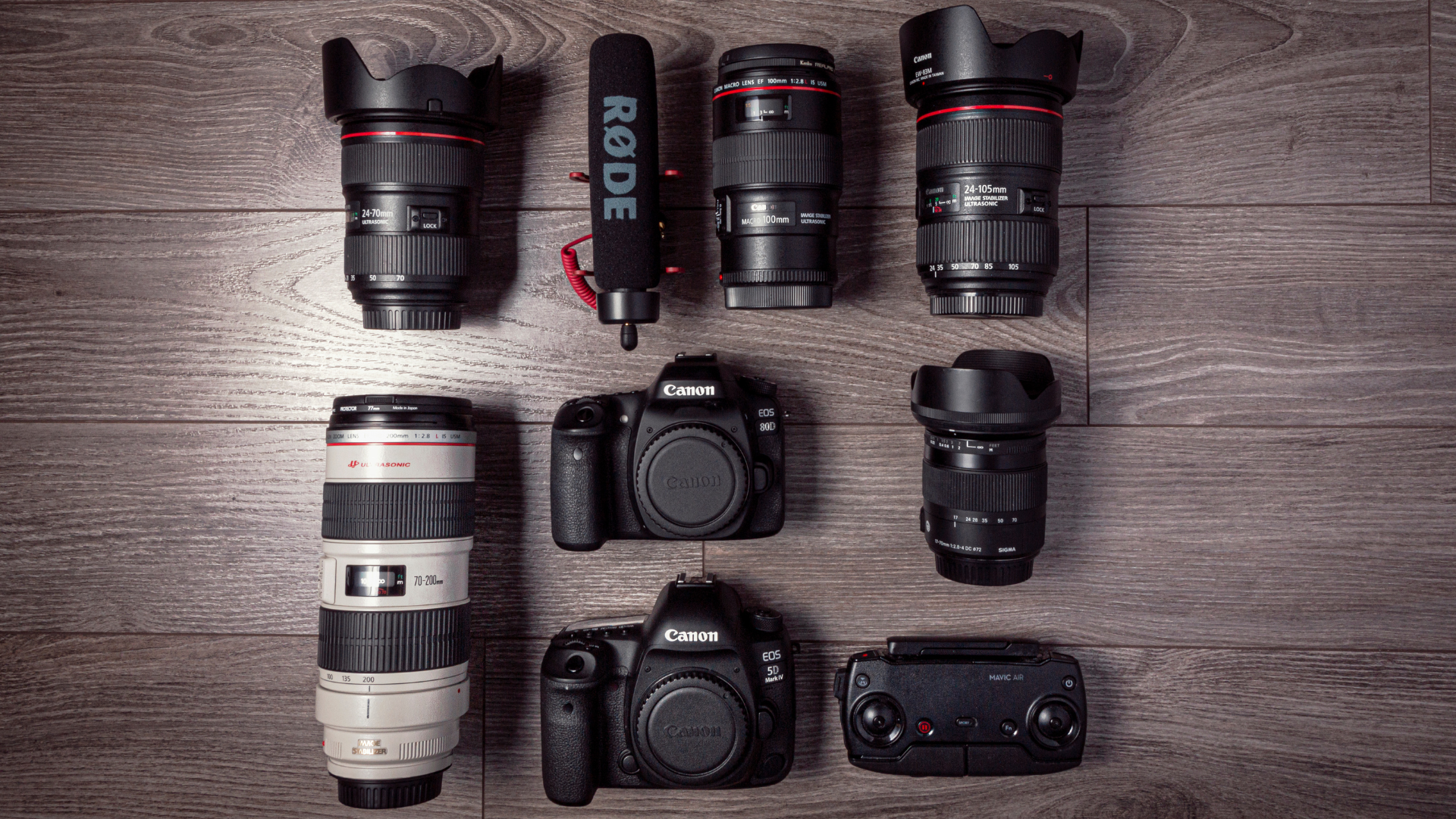
Maintaining an inventory of camera equipment informs the owner of what they possess and its condition. Documenting gear allows for organized storage and easy retrieval.
Photographers should create a list that includes:
- Camera bodies
- Lenses
- Tripods
- Accessories
Conduct regular assessments to check for any signs of wear or damage. This proactive approach helps identify necessary repairs or replacements.
Additionally, labeling storage containers contributes to efficient organization. Maintaining records may also aid in insurance claims if gear is lost or damaged.
Understanding Common Risks and Damage
Camera gear faces multiple risks that can arise from improper storage. Identifying these risks enables effective prevention strategies.
Common risks include:
- Physical damage from drops or impacts
- Environmental factors like humidity and temperature
- Contamination from dust, dirt, and moisture
Utilizing sturdy, padded cases minimizes the chance of physical damage. Keeping gear away from direct sunlight and extreme temperatures preserves its functionality.
Implementing a routine cleaning process is crucial. Regularly inspect gear for signs of wear and clean lenses with appropriate tools. These practices help maintain optimal performance and extend the lifespan of camera equipment.
Controlling Humidity and Environmental Hazards
Maintaining proper humidity levels is essential for protecting camera gear from damage. Understanding the risks associated with humidity and knowing how to mitigate these hazards can prolong the life of photography equipment.
The Dangers of Humidity and Moisture
Humidity can pose significant risks to camera gear. High moisture levels can lead to mold growth, which can damage lenses and camera bodies. Mold not only affects image quality but can also impair functionality.
Condensation is another danger. When moving gear between different temperature environments, moisture can form inside the camera. This can lead to corrosion of internal components, impacting performance and reliability.
Finally, humidity may also cause batteries to deteriorate faster. Protecting equipment from moisture through proper storage is crucial for photographers who want to ensure their gear performs optimally.
Choosing Dry Cabinets and Dehumidifiers
Using dry cabinets is one of the most effective ways to control humidity. For example, the Ruggard Electronic Dry Cabinet offers a controlled environment. It operates at low humidity levels, ensuring that moisture stays away from sensitive equipment.
Dehumidifiers also play an essential role. They actively reduce moisture levels in a room, making it safer for gear storage. When choosing a dehumidifier, consider the capacity and drainage options to ensure it meets specific needs.
Both dry cabinets and dehumidifiers should be placed in areas that are not prone to temperature fluctuations. Consistent conditions help maintain the integrity of the stored equipment.
Using Silica Gel Packets and Desiccants
Silica gel packets are an affordable and effective solution for moisture control. They absorb excess humidity and are easily replaceable. Place these packets inside camera bags and storage cases to prevent moisture buildup.
Other desiccants, such as activated clay or molecular sieves, can also be beneficial. They typically have a higher absorption capacity than silica gel.
When using desiccants, regularly check their effectiveness. Many products change color when their capacity is reached, indicating the need for replacement. Proper use ensures that the camera gear remains dry and unaffected by humidity.
Selecting and Organizing Storage Solutions
Effective storage solutions are essential for keeping camera gear secure and easily accessible. It is important to choose options that provide protection, organization, and convenience. Proper selection and organization can facilitate a smoother photographic experience.
Camera Bags and Padded Dividers
Choosing the right camera bag is crucial for protection and convenience. He should opt for bags made with durable and weather-resistant materials. A well-padded bag minimizes the risk of damage during transport.
Padded dividers help keep equipment organized. Adjustable dividers enable customization, allowing for different configurations based on gear. He should ensure the bag has enough compartments for essentials like lenses and batteries.
A lightweight design with comfortable straps enhances mobility. Features like secure zippers and waterproof covers add extra protection. It is wise to consider bags designed specifically for camera equipment for optimal safety.
Hard Cases and Storage Boxes
Hard cases offer robust protection, especially during travel. They are built with shock-absorbing materials to guard against impacts. Watertight seals on some models provide additional protection against moisture.
Storage boxes are ideal for longer-term storage of camera equipment. He should choose boxes that are dust-proof and stackable. Foam inserts within these boxes can secure items like tripods, ensuring they remain in place.
When selecting hard cases, look for options with customizable foam interiors. This allows for a snug fit for different gear, reducing the chances of movement. Securing locks enhances security against theft.
Organizing Accessories Like Memory Cards and Batteries
Proper organization of accessories is vital for efficiency. Dedicated pouches or cases for memory cards can prevent loss. These pouches should have labeled compartments for easy identification.
Battery organization is equally important for convenience. He should use battery storage cases that protect terminals from short-circuiting. Maintaining separate compartments for charged and uncharged batteries helps avoid mix-ups.
Incorporating dividers in storage solutions keeps everything sorted. Small containers can also hold extra cables and filters. Keeping items easily accessible leads to a more efficient workflow during shoots.
Cleaning, Maintenance, and Long-Term Protection
Proper cleaning and maintenance of camera gear ensure longevity and optimal performance. Adopting specific practices can preserve lenses and equipment while safeguarding against damage.
Routine Lens and Gear Cleaning
Regular cleaning of lenses and camera bodies is crucial. Dust and fingerprints can impair image quality. The following steps are recommended:
- Use a lens blower to remove loose dust.
- Employ a microfiber cloth for smudges on lenses and screens.
- Lens cleaning solutions can be applied, but ensure they are safe for optics.
For camera bodies, wipe surfaces with a clean, dry cloth. When necessary, use a damp cloth for stubborn stains. Inspect lens mounts and connectors, as dirt accumulation can lead to performance issues.
Safe Handling and Placement Practices
Handling camera equipment with care minimizes the risk of damage. Here are some essential practices:
- Always use a camera strap to prevent accidental drops.
- Store cameras and lenses in a case when not in use. This protects against moisture and accidental impacts.
- Avoid placing gear on unstable surfaces.
When changing lenses, face the camera down to avoid dust entering the body. Additionally, keep equipment stored in a climate-controlled environment to prevent mold and degradation in extreme conditions. Consistent care goes a long way in extending the life of camera gear.