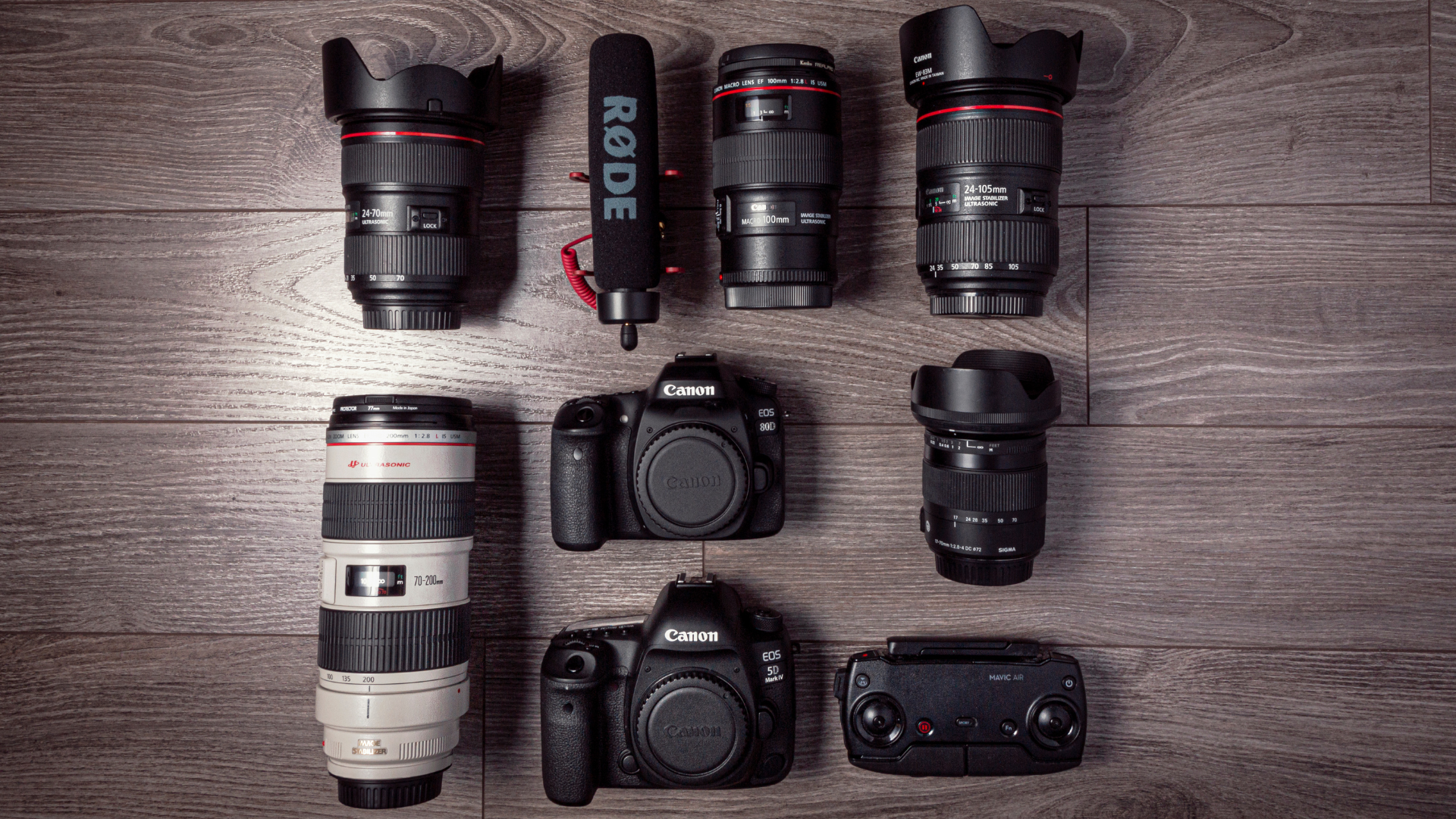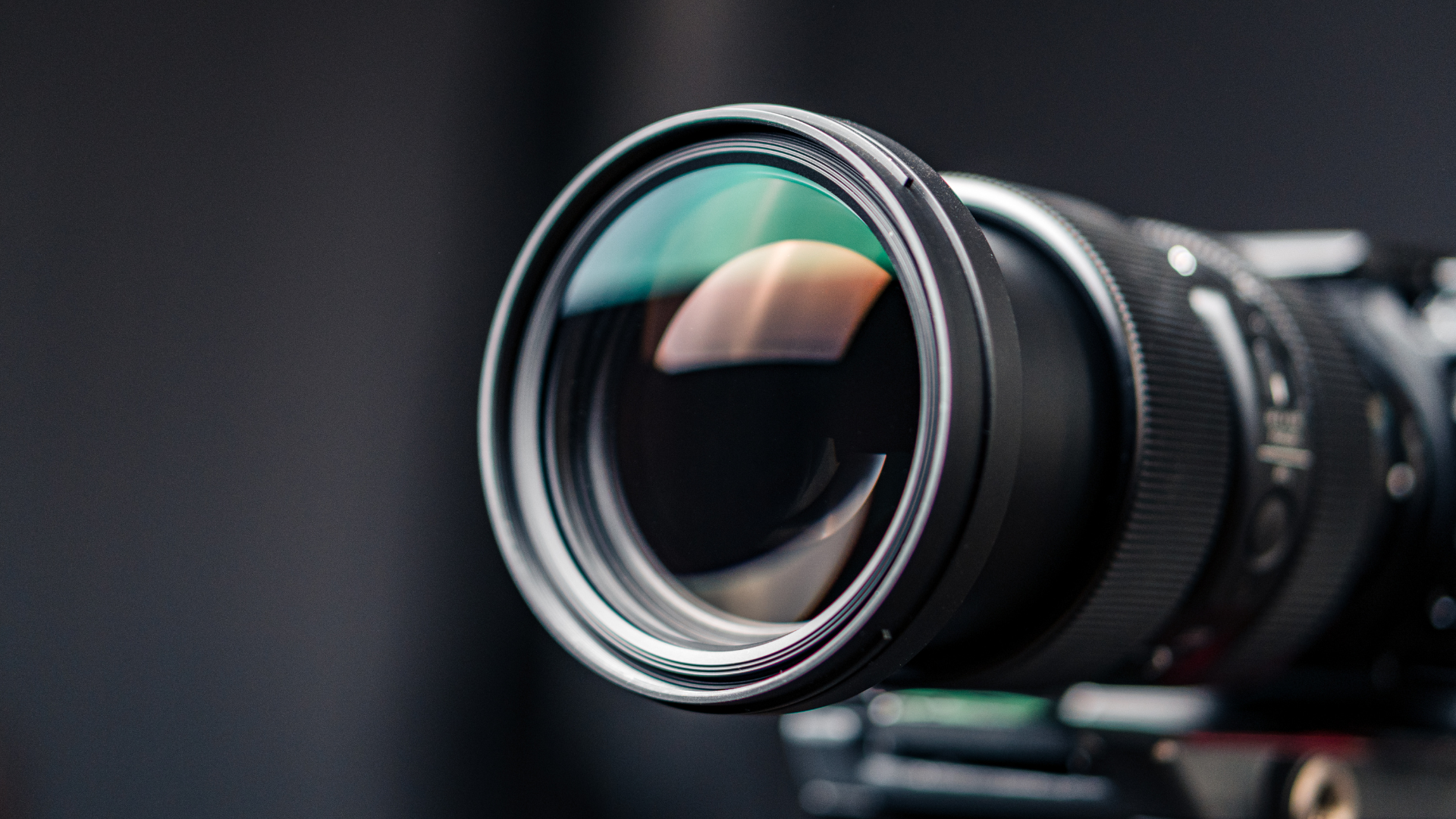

Choosing the right camera brand is crucial for capturing stunning wildlife photographs. Some of the best camera brands for wildlife photography include Canon, Nikon, and Sony, as they offer reliable performance and high-quality lenses tailored for this niche. Each brand has unique features and advantages that cater to various needs, whether it’s rapid autofocus, high ISO performance, or durability in challenging environments.
Wildlife photographers often seek cameras that can handle fast-paced action and varied lighting conditions. Canon, with its wide range of lenses and robust autofocus systems, is favored by many professionals. Nikon is renowned for its image quality and ergonomics, making it a common choice for serious enthusiasts. Sony’s mirrorless technology provides innovative features that appeal to those looking for compact yet powerful options.
Exploring these brands will help photographers make informed decisions based on their specific requirements and budget. By understanding the strengths of each, they can enhance their wildlife photography experience and achieve remarkable results.
Essential Camera Features for Wildlife Photography
Wildlife photography demands specific camera features that enhance image quality, increase shooting speed, and ensure durability in varying environments. Understanding these aspects can greatly influence the effectiveness of capturing wildlife in motion and under diverse conditions.
Image Quality and Sensor Size
For wildlife photography, image quality is paramount. A larger sensor size, such as full-frame (35mm) or APS-C sensors, typically delivers better dynamic range and low-light performance. This is crucial when photographing in shaded areas or at dawn and dusk when wildlife is most active.
High-resolution sensors provide more detail, allowing for larger prints and cropping without losing sharpness. Look for cameras with at least 20 megapixels for quality images.
Lens compatibility is another key aspect. Telephoto lenses of f/2.8 or f/4 are often preferred, as they help achieve stunning subjects with blurred backgrounds, emphasizing the wildlife while retaining clarity.
Autofocus Capabilities and Continuous Shooting Speed
Autofocus performance is critical for capturing fast-moving animals. Look for cameras with a fast autofocus system that includes multiple focus points. Advanced systems often have tracking capabilities that lock onto moving subjects.
Continuous shooting speed is essential. A camera with a frame rate of at least 6-10 frames per second allows photographers to capture bursts of action, increasing the chances of getting the perfect shot. It is beneficial for documenting behaviors, such as feeding or mating rituals in animals.
In addition to speed, low latency between shots ensures that moments are not missed while capturing sequences of movement.
Durability and Weather Sealing
Wildlife photographers often work in unpredictable environments, making durability a critical feature. Cameras that have robust construction withstand harsh conditions and rough handling.
Weather sealing protects against dust, moisture, and temperature extremes. This allows photographers to work in rain or dusty conditions without damaging the equipment.
Additionally, a reliable shutter release mechanism is vital, as it withstands repeated use, especially in active shooting scenarios.
Investing in a camera with a solid build and weather-resistant features will ensure reliability in the field, making it suitable for various wildlife situations.
Top Camera Brands for Wildlife Photography
When choosing the best camera brands for wildlife photography, key considerations include rapid autofocus, durable build, and exceptional image quality. The following brands stand out for their reliability and performance in demanding environments.
Canon
Canon is a leader in wildlife photography, providing a wide range of cameras suitable for various budgets and needs. The Canon EOS-1D X Mark III, with its fast autofocus and 20 frames per second continuous shooting, is ideal for capturing fast-moving subjects.
Their EOS R5 mirrorless model offers a 45-megapixel full-frame sensor, excellent low-light performance, and burst shooting capabilities. Canon lenses, particularly the telephoto options like the EF 100-400mm f/4.5-5.6L IS II, enhance the ability to capture distant wildlife with clarity.
In addition, Canon’s user-friendly interface and robust build make it a preferred choice among many wildlife photographers.
Nikon
Nikon provides some of the best options for wildlife photography, known for their excellent lens selection and image quality. The Nikon Z9 is a standout, boasting a 45.7-megapixel sensor and advanced autofocus features, capable of tracking subjects in motion.
For those preferring a DSLR option, the Nikon D500 offers an APS-C sensor with fast continuous shooting and remarkable ISO performance.
Nikon’s long-range lenses, such as the AF-S NIKKOR 200-500mm f/5.6E ED VR, allow photographers to get up close without disturbing wildlife. This brand matches performance with durability, ensuring reliability in tough outdoor conditions.
Sony
Sony has rapidly gained popularity in wildlife photography, particularly with its innovative mirrorless technology. The Sony A9 II is well-regarded for its nearly silent shooting and lightning-fast autofocus system. This camera excels in capturing high-speed action, making it suitable for dynamic wildlife scenarios.
The Sony A7R IV, with a 61-megapixel full-frame sensor, provides outstanding detail and color accuracy. Additionally, Sony’s extensive range of E-mount lenses, including the FE 200-600mm f/5.6-6.3 G OSS, is beneficial for wildlife enthusiasts seeking versatile options.
Sony’s combination of compact design and high performance allows photographers to stay agile in the field, enhancing their ability to capture fleeting moments.
Wildlife Photography Equipment and Lens Considerations
Selecting the right equipment is essential for effective wildlife photography. This section highlights the critical aspects of lenses, focal lengths, and image stabilization that significantly impact capture quality.
Telephoto and Super-Telephoto Lenses
Telephoto lenses are vital for wildlife photography, especially when capturing distant subjects. These lenses typically range from 70mm to 600mm, providing the necessary reach to photograph animals without disturbing them.
Super-telephoto lenses, often 300mm and above, enable wildlife photographers to engage in bird photography and other activities requiring extreme magnification. Brands like Canon and Nikon offer robust options within this category.
Features like fast autofocus are crucial, as wildlife can be unpredictable. Photographers should also consider lens weight, as heavy lenses can be challenging to maneuver for extended periods.
Crop Factor and Focal Length
Understanding the crop factor is essential when selecting camera bodies and lenses. A crop factor of 1.5x means that a 300mm lens behaves like a 450mm lens on an APS-C sensor camera. This property can be particularly advantageous for wildlife photographers needing additional reach.
Focal length directly impacts composition and allows photographers to frame subjects effectively. Long focal lengths are necessary for distant animals, while shorter lengths work better for closer subjects or wider landscapes.
Photographers must balance their choice of focal length with compatibility to ensure optimal performance and satisfying results.
Image Stabilization for Wildlife Shots
Image stabilization (IS) reduces the effects of camera shake, which is crucial for capturing crisp images in wildlife photography. This feature becomes especially important when using long telephoto lenses, where even slight movements can lead to blur.
Two main types of IS exist: optical and electronic. Optical stabilization often provides better results during handheld shooting, as it compensates for vibrations.
Photographers should prioritize lenses with effective IS systems, especially for handheld shots in varying lighting conditions. A solid IS system can make the difference in achieving sharp images, particularly in action shots of wildlife.
Choosing the Best Camera for Your Wildlife Photography Needs
When selecting a camera for wildlife photography, factors such as sensor size, camera type, and user experience play crucial roles. Understanding these aspects helps photographers find the right tools to capture stunning images in various environments.
Full-Frame vs APS-C Cameras
Full-frame cameras offer larger sensors, providing superior low-light performance and better dynamic range. This can be beneficial in capturing intricate details in wildlife scenes. They typically produce higher resolution images, allowing for more cropping flexibility while maintaining quality.
On the other hand, APS-C cameras have a crop factor, which effectively increases the focal length of lenses. For wildlife photographers, this means better reach when using telephoto lenses. APS-C cameras are often more compact and less expensive, making them appealing for those just starting in wildlife photography.
DSLR vs Mirrorless Cameras
DSLR cameras are known for their robust build and optical viewfinders, which provide a clear, lag-free view. They excel in battery life and are often more affordable than mirrorless counterparts. These features make DSLRs a solid choice for outdoor use in challenging conditions.
Mirrorless cameras, however, have gained popularity due to their lighter weight and compact size. They feature electronic viewfinders, allowing users to preview exposure and settings in real-time. With faster shooting speeds, they can capture quick movements, making them suitable for photographing wildlife in action.
Viewfinder and Shooting Experience
The viewfinder plays a significant role in the photographer’s experience. Optical viewfinders found in DSLRs deliver a natural view but lack real-time exposure adjustments. For wildlife photography, this can be limiting, especially in changing light conditions.
Electronic viewfinders in mirrorless cameras provide a live feed, showing how adjustments affect the image. This capability helps photographers make quick decisions as lighting changes. The shooting speed also varies; many mirrorless cameras offer faster burst rates, which is advantageous when trying to capture fleeting moments in wildlife.