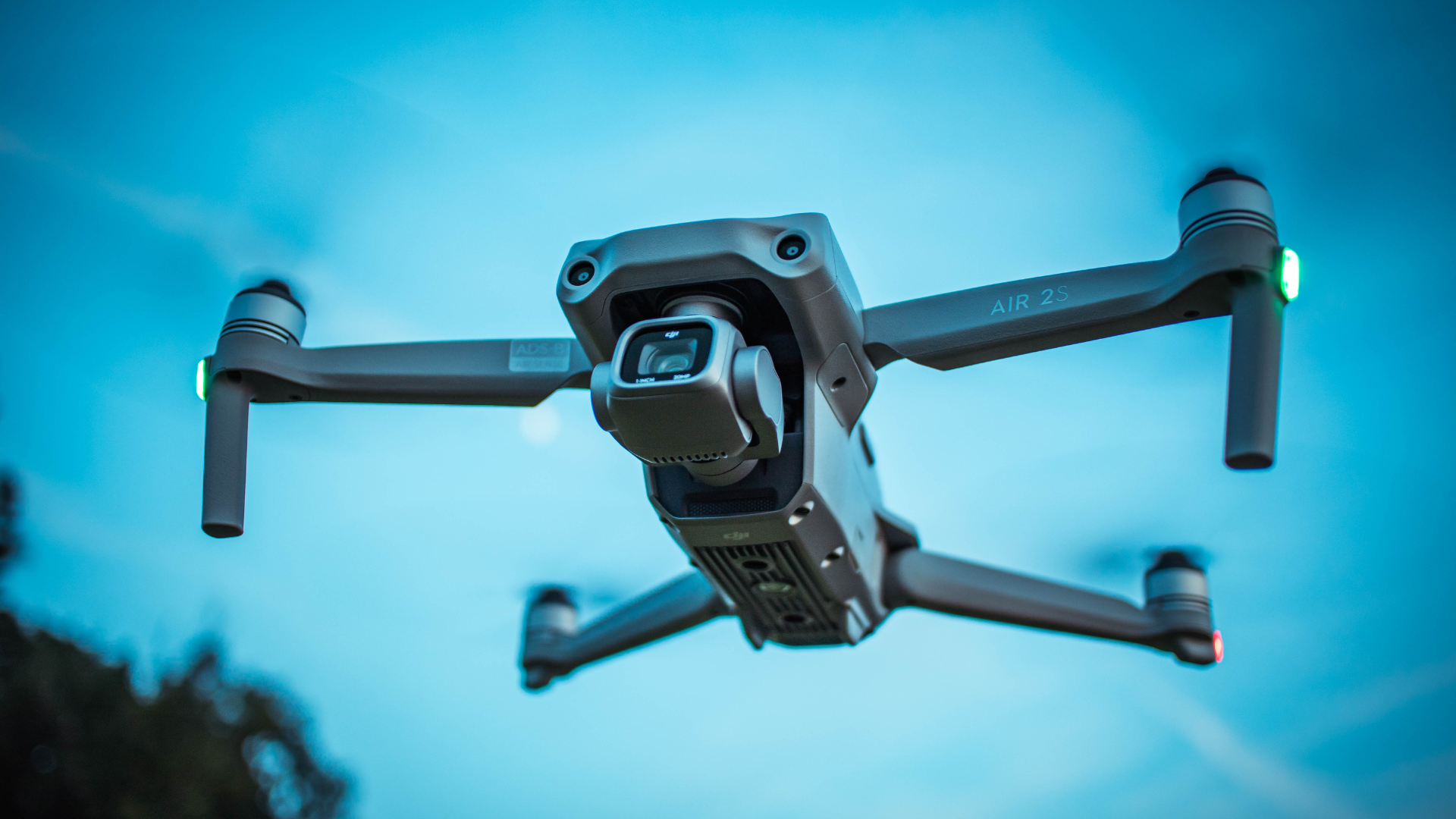
Drones are revolutionizing the world of photography, presenting unique opportunities for creativity and innovation. Using drones for creative photography projects enables photographers to capture stunning aerial shots that were once impossible, offering fresh perspectives on landscapes, architecture, and events. This technology allows for dynamic compositions and angles that add depth and intrigue to visual storytelling.
As they explore drone photography, creators can experiment with different techniques, such as long exposures and sweeping panoramas, to produce striking images. The versatility of drones opens up countless possibilities, making it essential for photographers to learn the specific skills needed to maximize their potential.
With the right approach, anyone can incorporate drones into their photography workflow, enhancing their creative projects while having fun in the process. From understanding regulations to mastering flight techniques, the journey into drone photography is both exciting and rewarding.
Getting Started With Drone Photography
Entering the world of drone photography involves several key steps. Understanding the types of drones available, mastering essential tips for pilots, and being aware of safety regulations are fundamental to success in this creative pursuit.
Choosing the Right Consumer Drone Camera
Selecting the right drone camera is crucial for achieving high-quality images. Many consumer drones offer built-in cameras with varying specifications. Popular models include the DJI Mavic Air 2, known for its impressive 48 MP photos and 4K video capabilities.
It’s important to consider factors such as:
- Camera resolution: Higher megapixels yield clearer images.
- Gimbal stabilization: Ensures stable footage during flight.
- Battery life: Longer flight times allow for more shooting opportunities.
Evaluating these features based on specific creative needs will guide the decision-making process.
Essential Tips for Beginners
Drones possess unique flying characteristics that require practice to master. Beginners should start with basic flight maneuvers such as hovering, turning, and ascending.
A few essential tips include:
- Practice in open areas: This minimizes risks and helps develop piloting skills.
- Familiarize with controls: Understanding the remote controller enhances ease of use.
- Use beginner modes: Many drones have settings that limit speed and altitude to aid new pilots.
Engaging with online tutorials and local drone clubs can further bolster learning, providing support and resources.
Understanding Safe Piloting and Regulations
Safety should be the top priority when operating drones. Pilots must adhere to local regulations governing airspace and drone usage.
Key regulatory points include:
- Registering your drone: Many countries require registration for drones above a specific weight.
- Respecting no-fly zones: Awareness of restricted areas, like airports, is vital to ensure compliance.
- Maintaining visual line of sight: Keeping the drone in sight at all times promotes safer operation.
Being informed about these aspects safeguards not only the pilot but also others around them, enhancing the overall flying experience.
Mastering Drone Techniques for Creative Projects
Effective drone photography hinges on specific techniques that enhance creativity and visual storytelling. By focusing on unique perspectives, composition, light, and the management of mobility and flight time, photographers can elevate their work significantly.
Capturing Unique Perspectives
Drones provide opportunities for perspectives that were once difficult to achieve. Photographers can shoot from high altitudes or capture angles that highlight symmetry and patterns in landscapes.
- Bird’s Eye View: This perspective allows for dramatic shots of architecture and terrain.
- Low Angle Shots: Capturing subjects from low angles can evoke a sense of grandeur or intimacy.
Using the drone’s ability to maneuver quickly enables capturing fleeting moments that traditional photography might miss. This shifts the entire narrative of a photograph, making it more engaging.
Enhancing Composition and Light
Composition is critical in drone photography. Photographers can leverage the drone’s altitude to create clean lines and interesting shapes.
- Rule of Thirds: Position key elements along grid lines for balanced shots.
- Leading Lines: Use natural lines to guide the viewer’s eye through the frame.
Lighting plays a vital role in enhancing images. Capturing during golden hour can add warmth and depth. Utilizing shadows and highlights can create dramatic contrasts, making images more dynamic. Foreground interest can add depth to aerial shots, enriching the composition.
Managing Photography Flight Time and Mobility
Understanding flight time is crucial for planning shoots. A typical drone flight lasts 20 to 30 minutes, depending on factors like battery life and payload.
- Pre-Flight Checks: Ensure batteries are charged and equipment is functioning.
- Proper Planning: Scout locations in advance to identify the best angles and adjust flight paths accordingly.
Mobility is also essential. Smooth, calculated movements lead to stable shots. Quick adjustments can help capture unexpected moments, maximizing the effectiveness of each flight. Balancing flight time with creative needs will enhance the overall photographic experience.
Optimizing Image Quality and Editing
To achieve compelling results in creative photography projects with drones, it is essential to optimize image quality and master post-editing techniques. This section covers crucial factors in capturing aerial images and enhancing them through tools like Adobe Lightroom.
Shooting Aerial Images and Aerial Shots
Capturing effective aerial images involves strategic planning. Factors such as lighting, angle, and composition significantly impact the quality of the shot.
- Golden Hour: Shooting during sunrise or sunset can add warmth and depth.
- Perspective: Experiment with different altitudes and angles to find the most interesting compositions.
- Stability: Use a drone like the DJI Phantom 4 Pro, equipped with stabilization features, to minimize motion blur.
Thoroughly assess the landscape before the shoot. Identify focal points and create a composition that draws the viewer’s eye.
Camera Settings and Image Quality
Proper camera settings are vital for high-quality images. Adjust settings to suit the environment and the intended mood of the photograph.
- Resolution: Use the highest resolution available on the camera to capture fine details.
- ISO: Keep the ISO low (100-400) to minimize noise, particularly in well-lit conditions.
- Shutter Speed: Choose an appropriate shutter speed; faster speeds can freeze motion, while slower speeds can create dynamic effects.
Utilizing RAW format instead of JPEG allows greater flexibility in post-processing, preserving image data that can enhance editing outcomes.
Post-Processing With Adobe Lightroom
Editing in Adobe Lightroom can transform aerial shots into stunning visuals. Start by importing images and organizing them using folders and collections.
- Basic Adjustments: Use the Exposure and Contrast sliders to enhance light and balance.
- Color Correction: Adjust white balance to eliminate color casts and bring out the true colors of the scene.
- Sharpening: Apply sharpening carefully to enhance details without introducing artifacts.
Consider using presets for consistent color grading across a series of photos. Export images in high resolution for sharing or printing, ensuring they retain their quality and visual impact.
Expanding Your Creative Boundaries
Drones open new avenues for photographers, challenging them to think beyond traditional techniques. Utilizing resources like Google Earth can enhance project planning, while honing piloting skills ensures more captivating results in aerial photography.
Planning Projects With Google Earth
Google Earth proves invaluable for photographers seeking unique perspectives. It allows users to explore various landscapes, identifying locations that offer striking compositions.
Steps for Effective Planning:
- Utilize Satellite Imagery: Examine terrain textures and topography to assess potential shooting locations.
- Create a Flight Path: Plot routes that optimize views while adhering to regulations.
- Check Weather Conditions: Ensure ideal light and wind conditions for safe operation.
This level of detail enhances project preparation and results in more imaginative photography outcomes.
Showcasing Captivating Aerial Images
Captivating aerial images require a blend of good technique and creativity. Capturing the essence of a landscape involves understanding angles, light, and composition.
Tips for Aerial Photography:
- Use Golden Hour Lighting: Shooting during sunrise or sunset adds depth and warmth to images.
- Experiment with Different Heights: Varying altitude can dramatically change a photograph’s narrative.
- Focus on Leading Lines: Incorporate natural lines in the landscape to guide the viewer’s eye through the image.
These practices enable photographers to create stunning and thought-provoking visuals.
Continuous Piloting Skill Development
Skill development is critical for maximizing a drone’s potential in creative photography. Regular practice and education build confidence in piloting techniques.
Key Areas for Improvement:
- Master Basic Controls: Become proficient with the drone’s basic functions before attempting complex maneuvers.
- Learn to Maneuver Smoothly: Focus on smooth flying to minimize vibrations and shaky footage.
- Attend Workshops: Participate in courses to learn new techniques and gather insights from experienced pilots.
Consistent training not only enhances technical skills but also expands the creative possibilities in aerial photography.